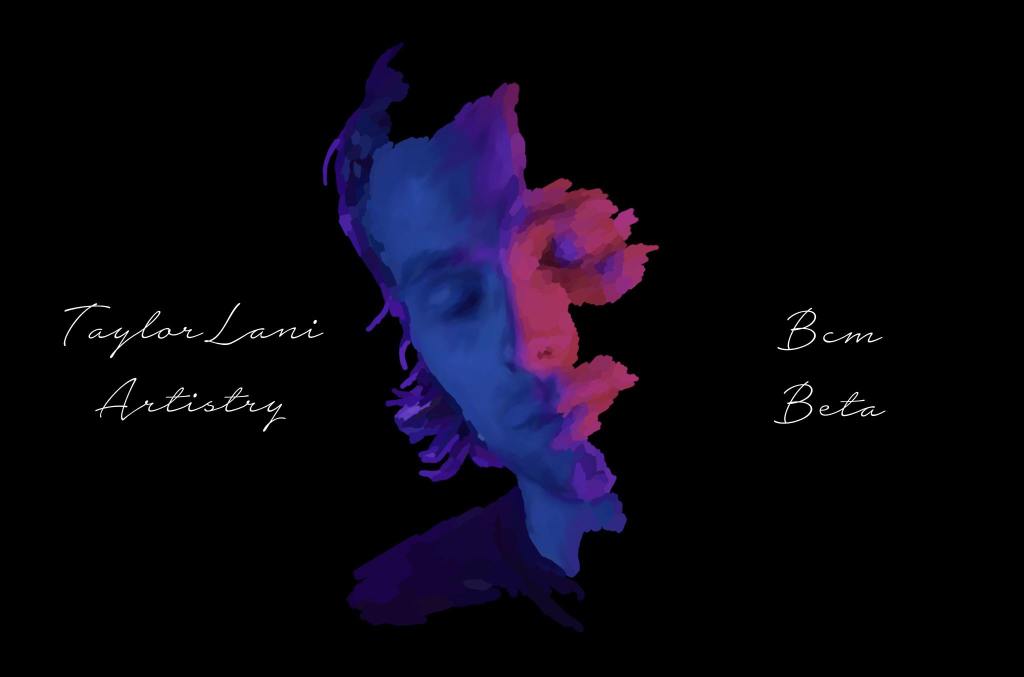
BCM114 DA BETA

In the short time it has been since I posted my Pitch for my DA, a Redbubble store where I can showcase and sell my digitial artworks, TaylorLani Artistry has under gone major shifts and changes that ultimately have put me in a far better place now than before.

When I first launched my store, I was excited to actually have something out there of my work, and while it technically worked and I made sales from it, I found that it was difficult to maintain.
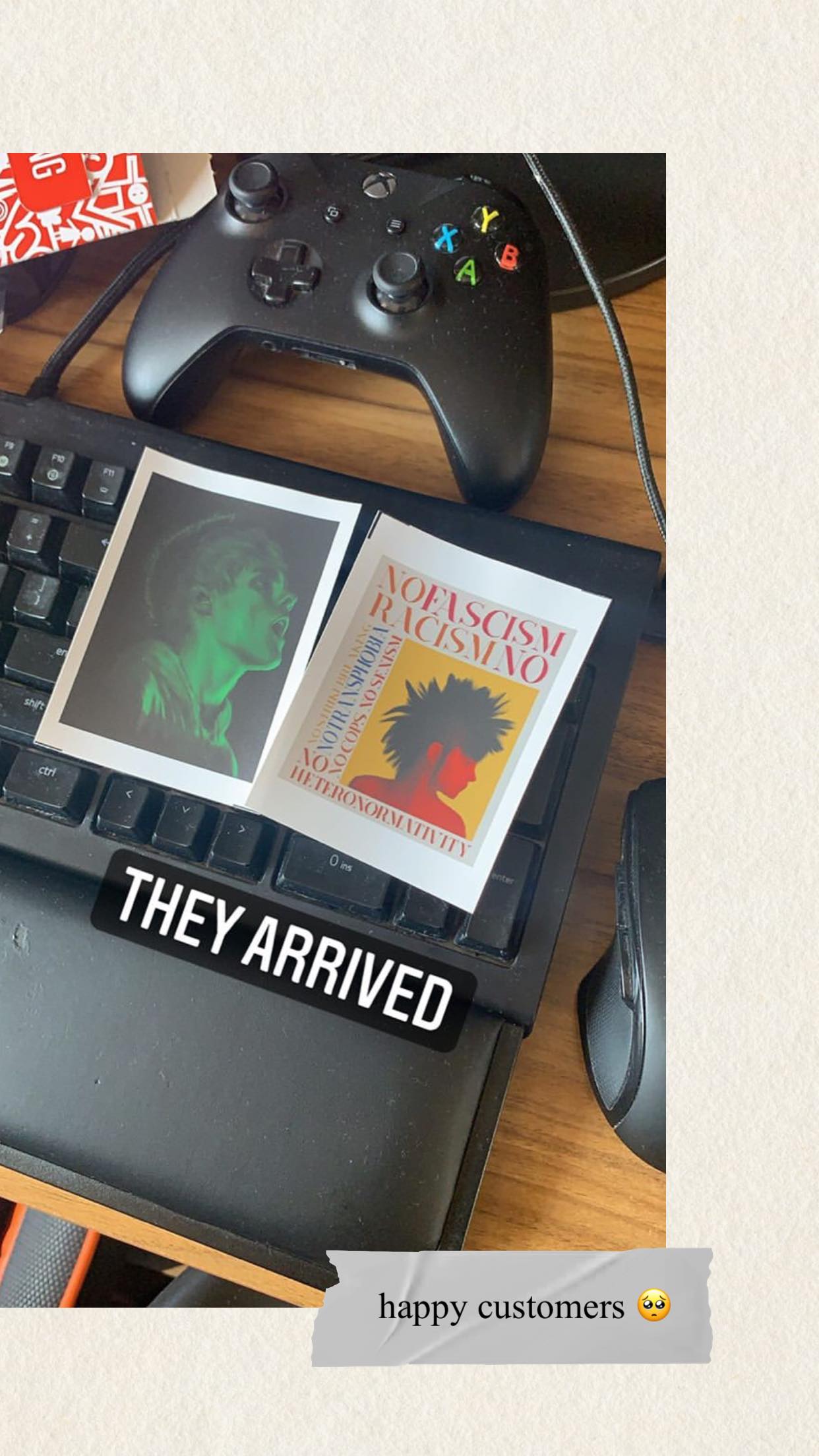
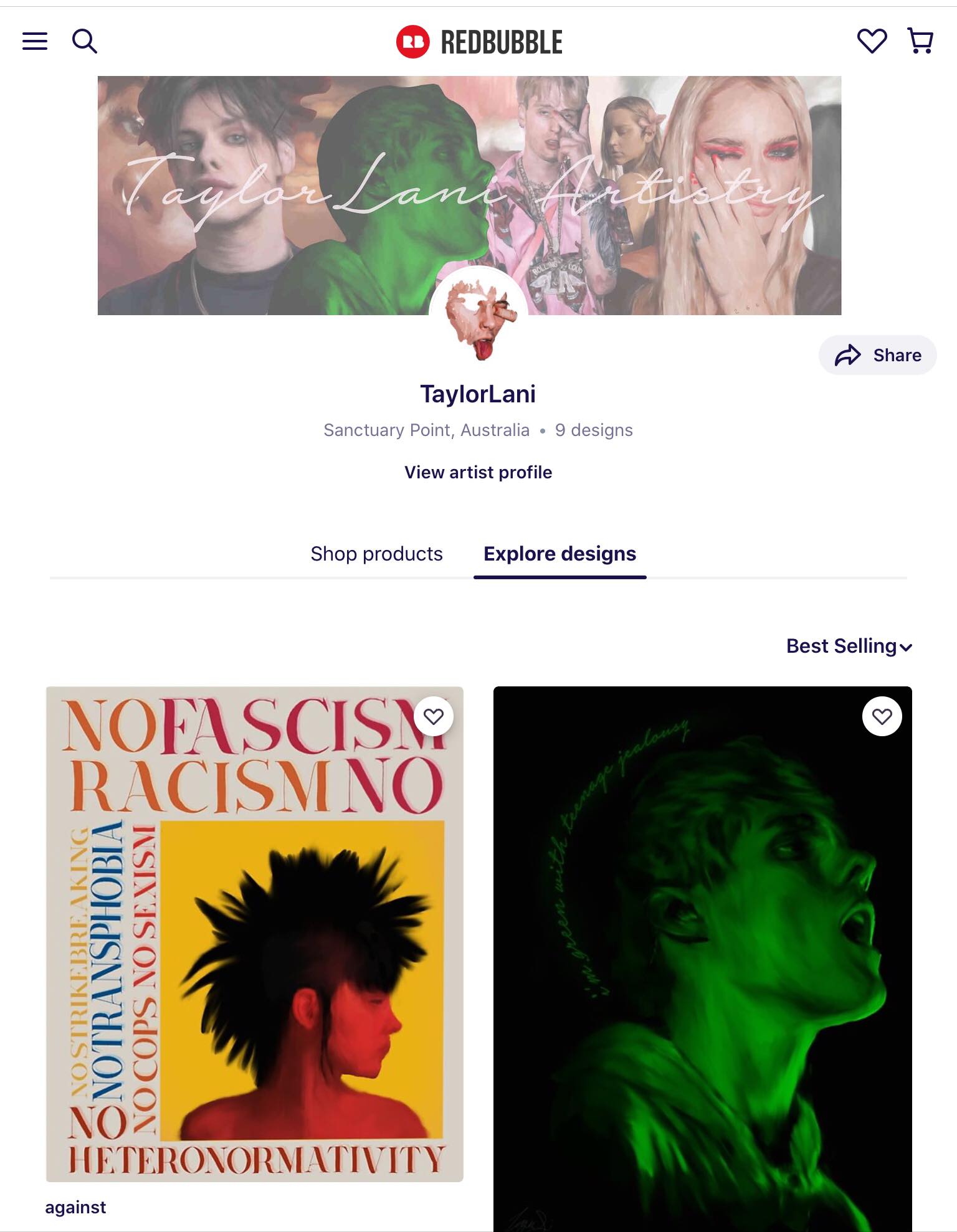
This wasn’t beause I fell out with the idea or anything, in fact I still have my store open and still update it. However, I am kind of a perfectionist and though to someone who isn’t an artist it may not look it but I can spend days up to weeks on one piece and because of this I found that I wasn’t really being consistant with updating my desgins. Who wants to sell an unfinished artwork right?

Thus, after my first prototype I shifted my idea to focus on another area that not only works better for me but is more convenient to my scheduale and the duration of making.
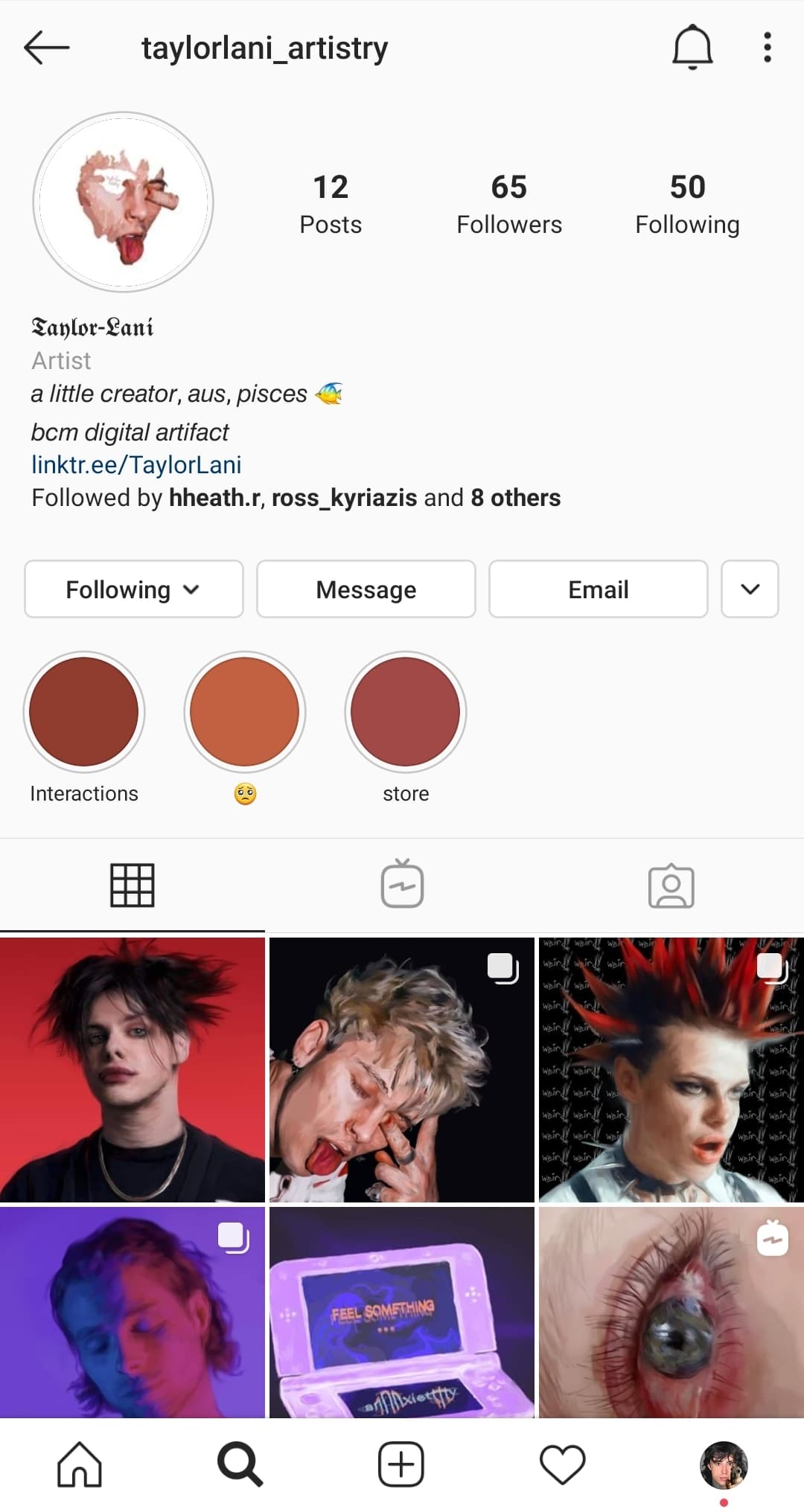
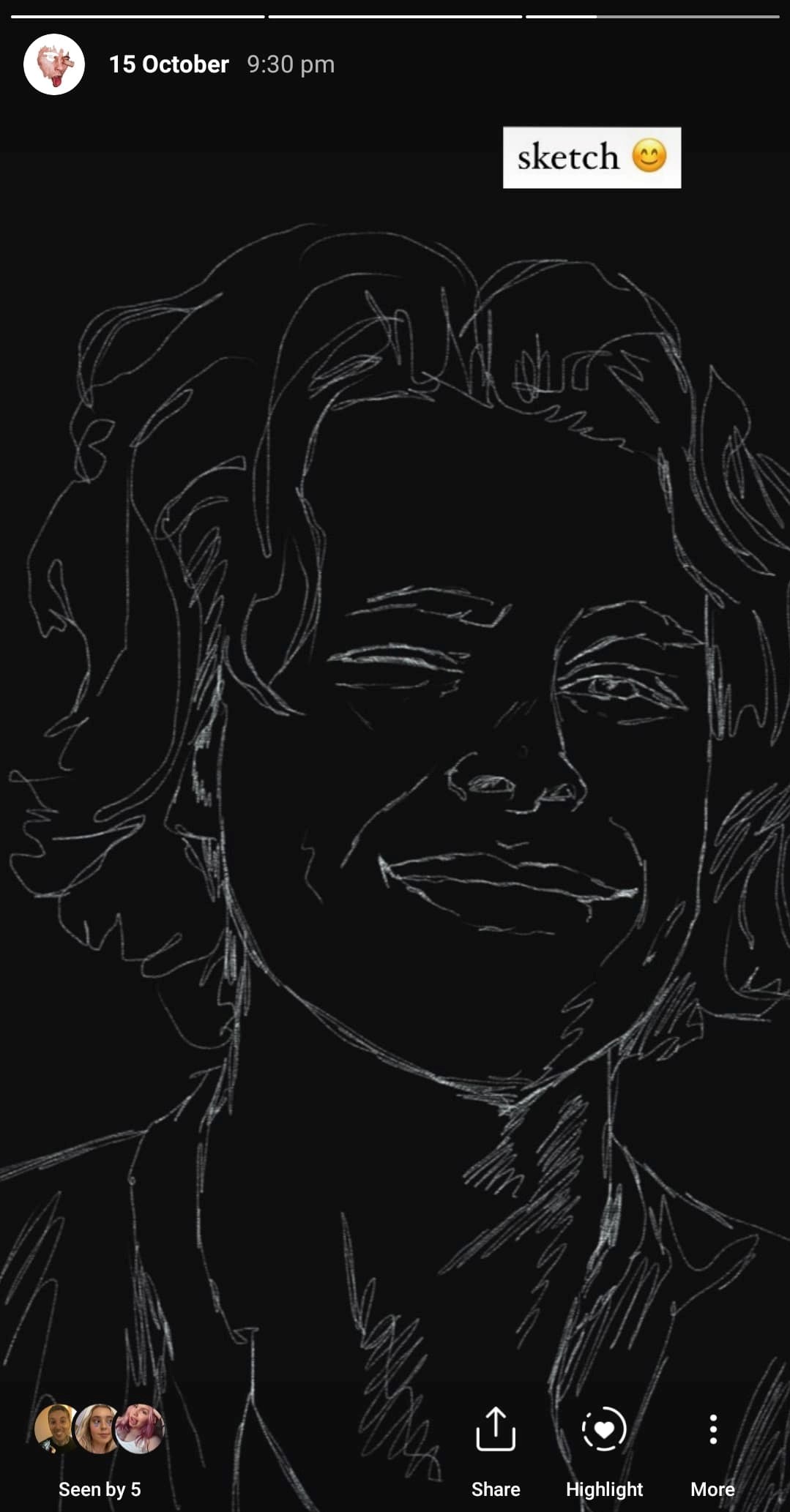
I was already using an Instagram account for my DA as more of a promotion aspect for my store, but after a lot of consideration I have decided to focus more so on an Instagram page of my art rather than my main ploy being Redbubble.

This has been working incredibly well ever since making the decision. Now I don’t have to wait to share just a finished product with my auidence, but rather I can include all different aspects of the making process. From sharing my sketches and utilising the IGTV option to share speed-paintings.

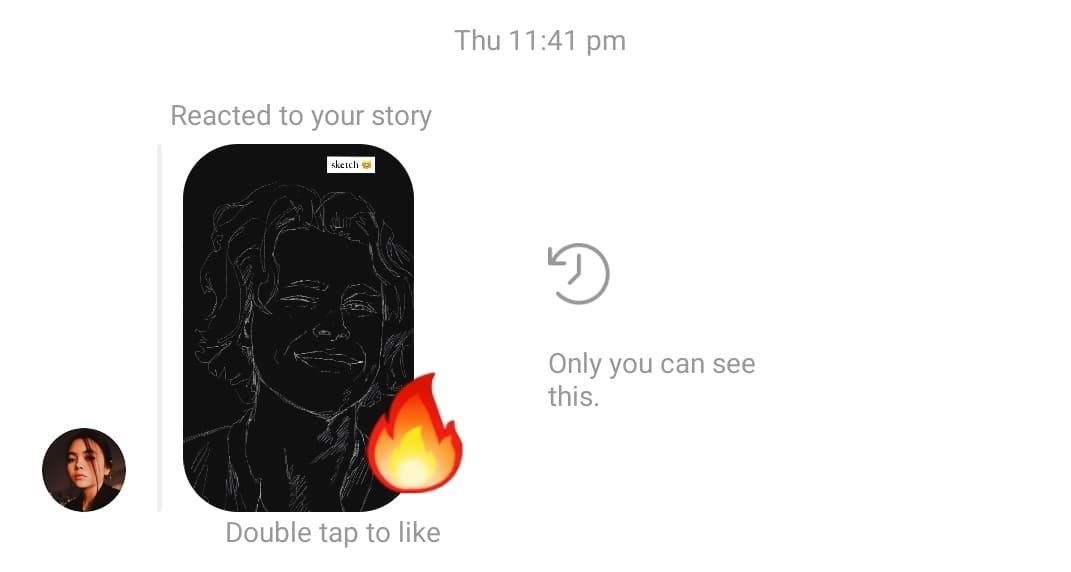
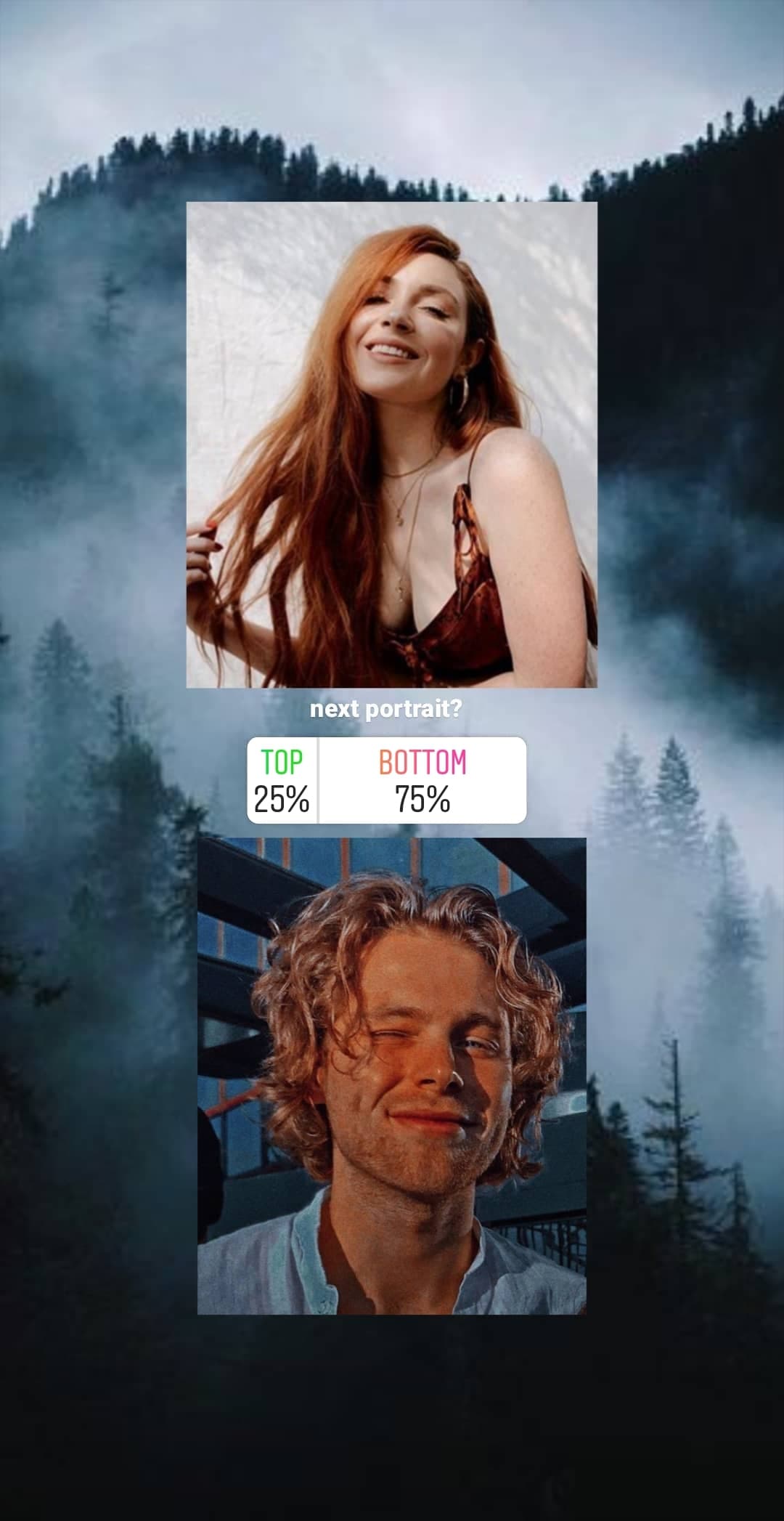
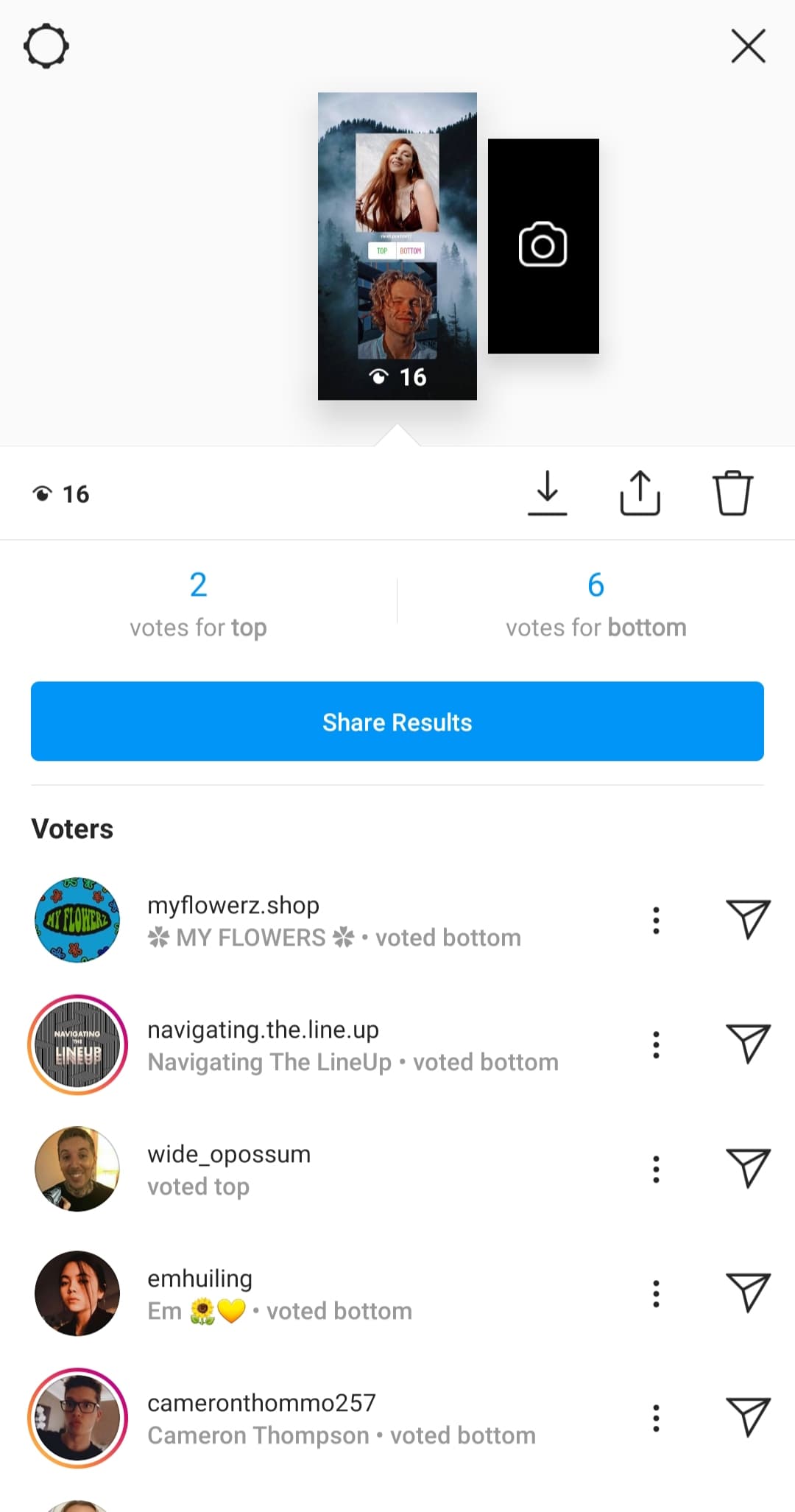
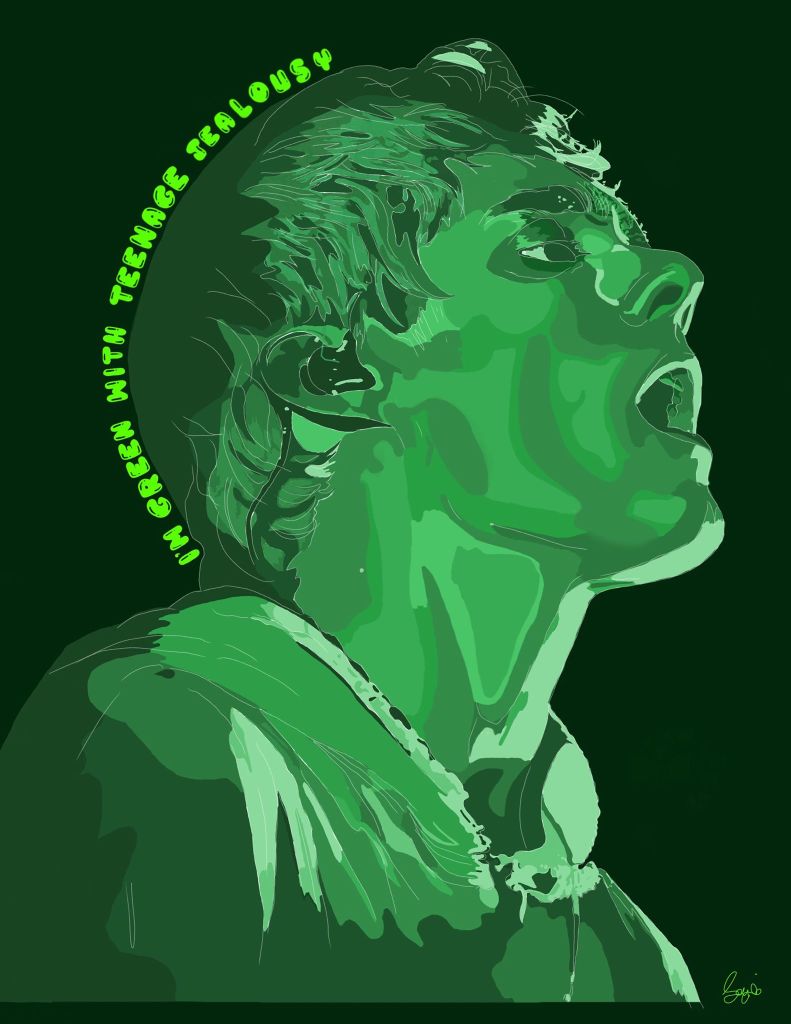
This has also allowed me to see my Insights in a more exact way then just my sales, and I have come to notice that my auidence interacts higher with my portraits rather than my other artworks. This has also enabled me to use Polls, which I have since been enaging with my viewers to vote on which portriat they would like to see.
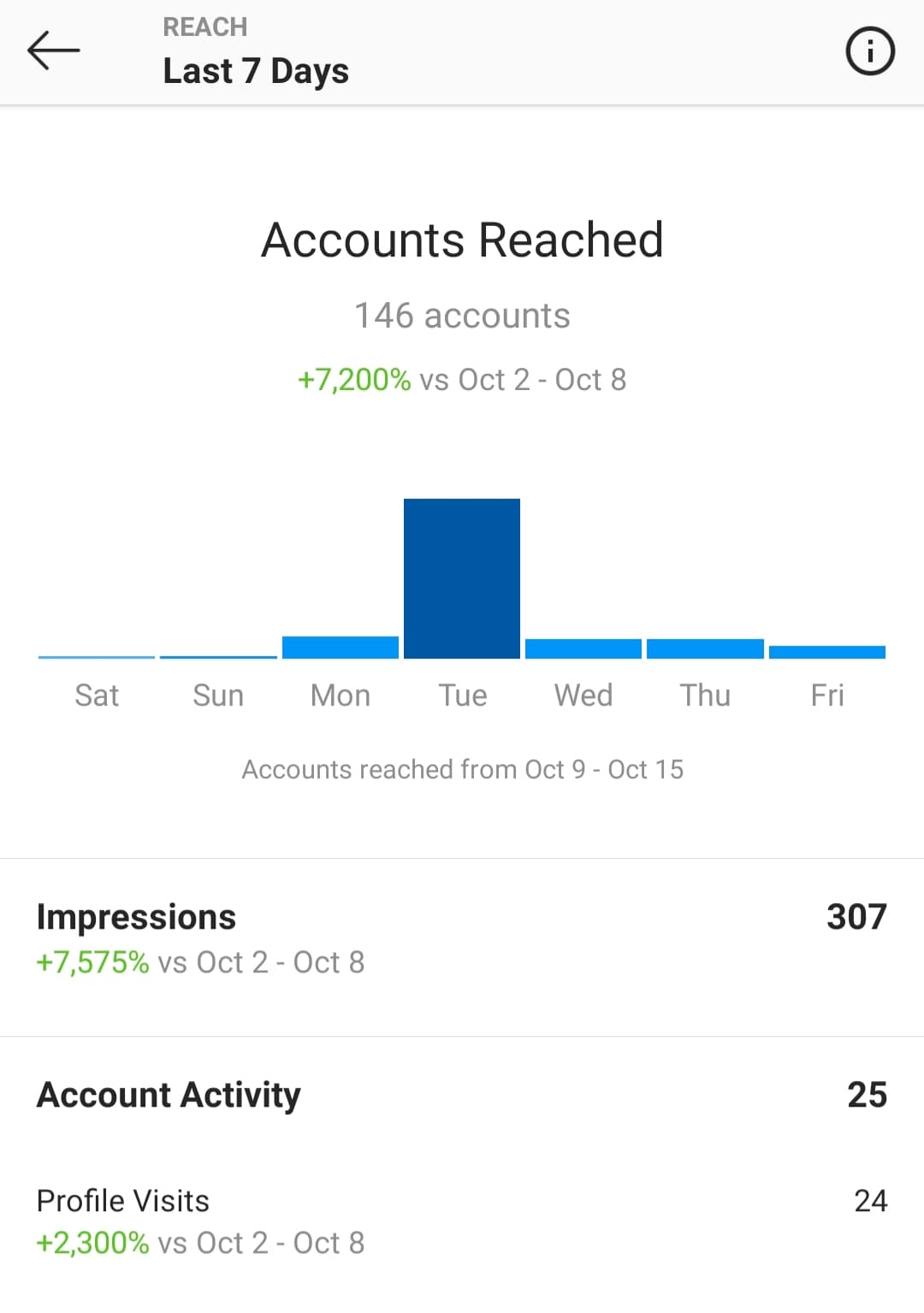
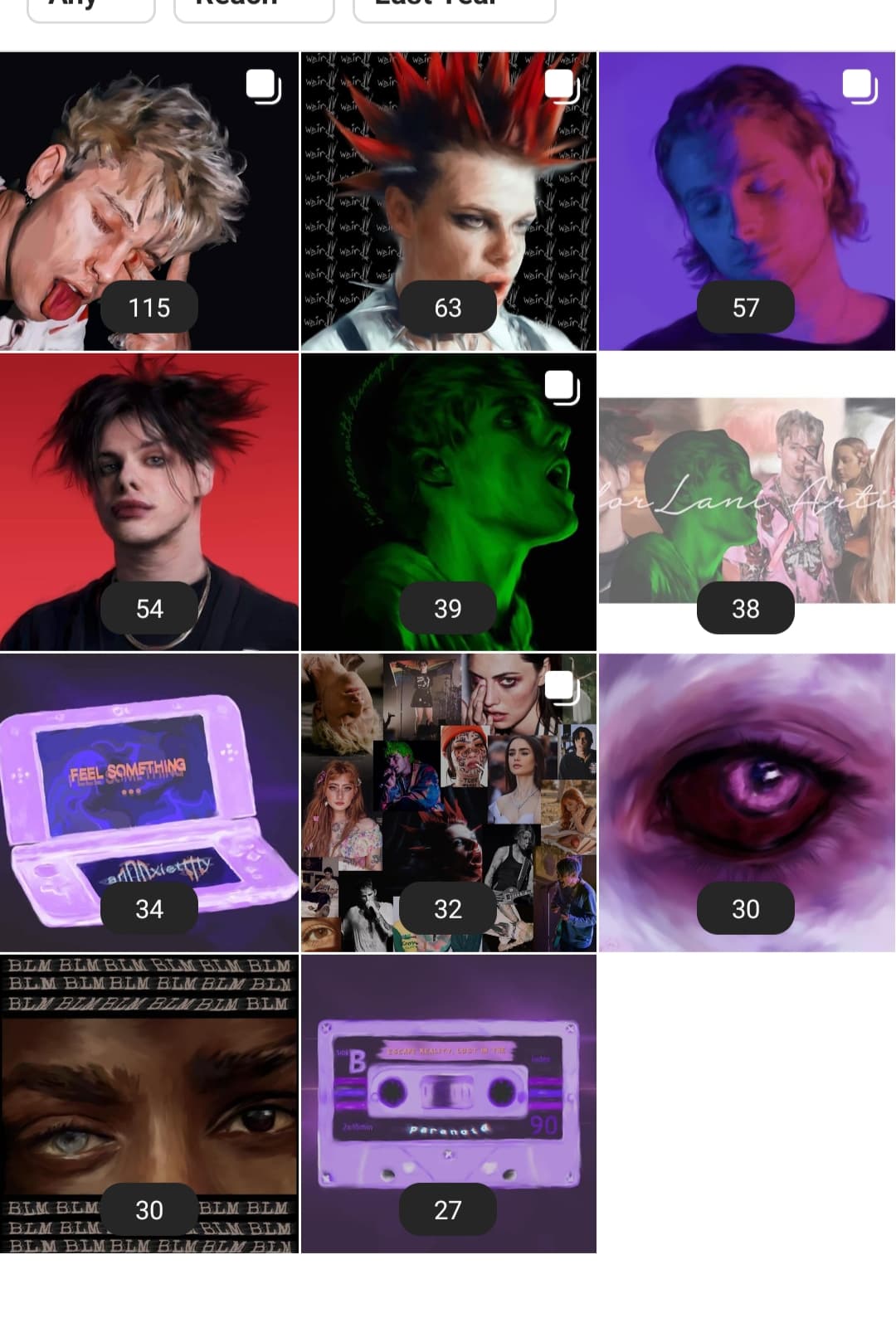
Ever since moving my ideas to Instagram I have also had the opportunity to recieve feedback and shares in a more orgonised and simplistic way from messages, comments and stories.

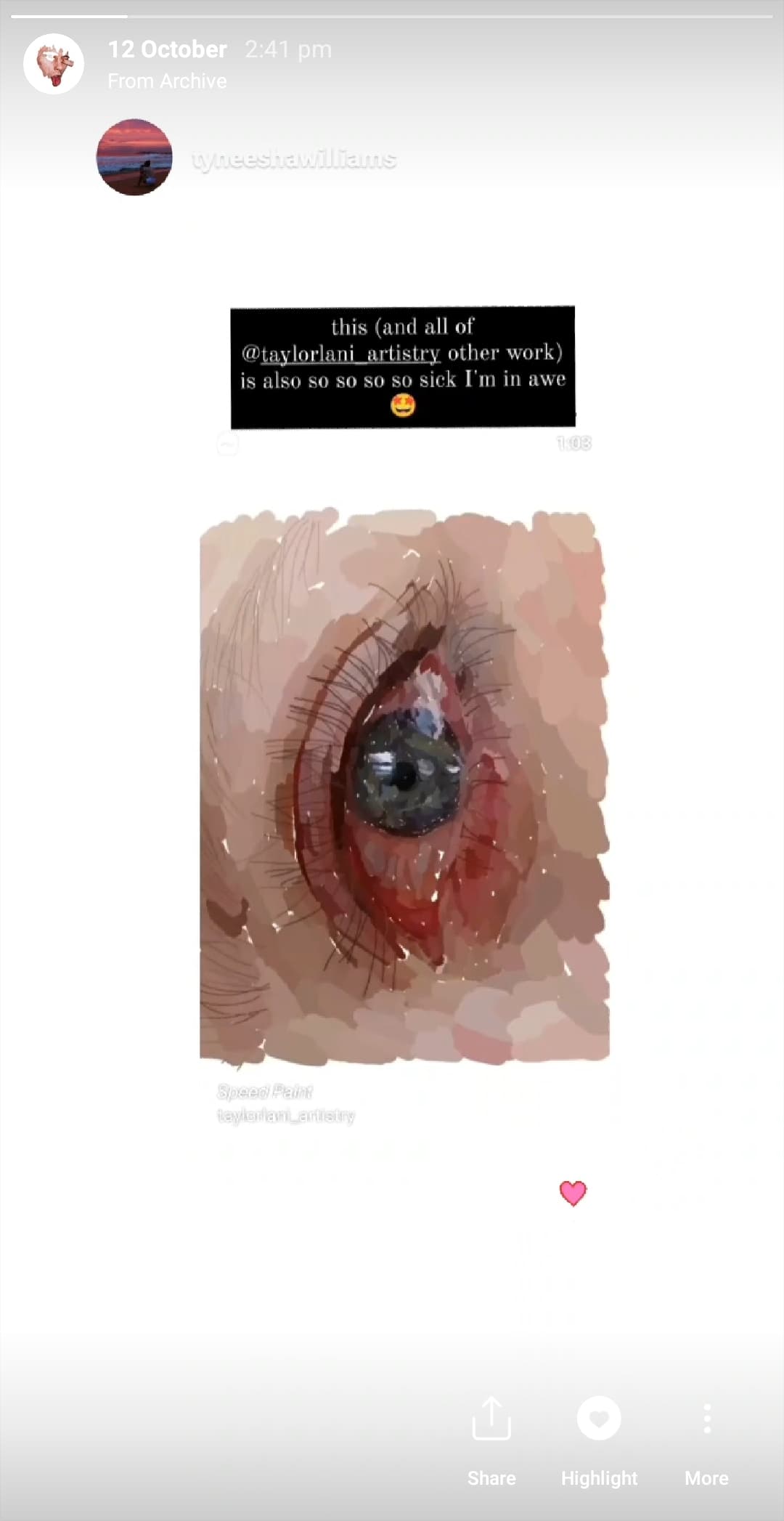
In spite of the platform shift, I believe my DA still targets the same audience that I had originally been working with becuase my content has changed within itself, morever that now I am able to showcase more than the final product but all the stages that go into creating an artwork. This has enabled me to be more active online and enage with my account.

Right Now?

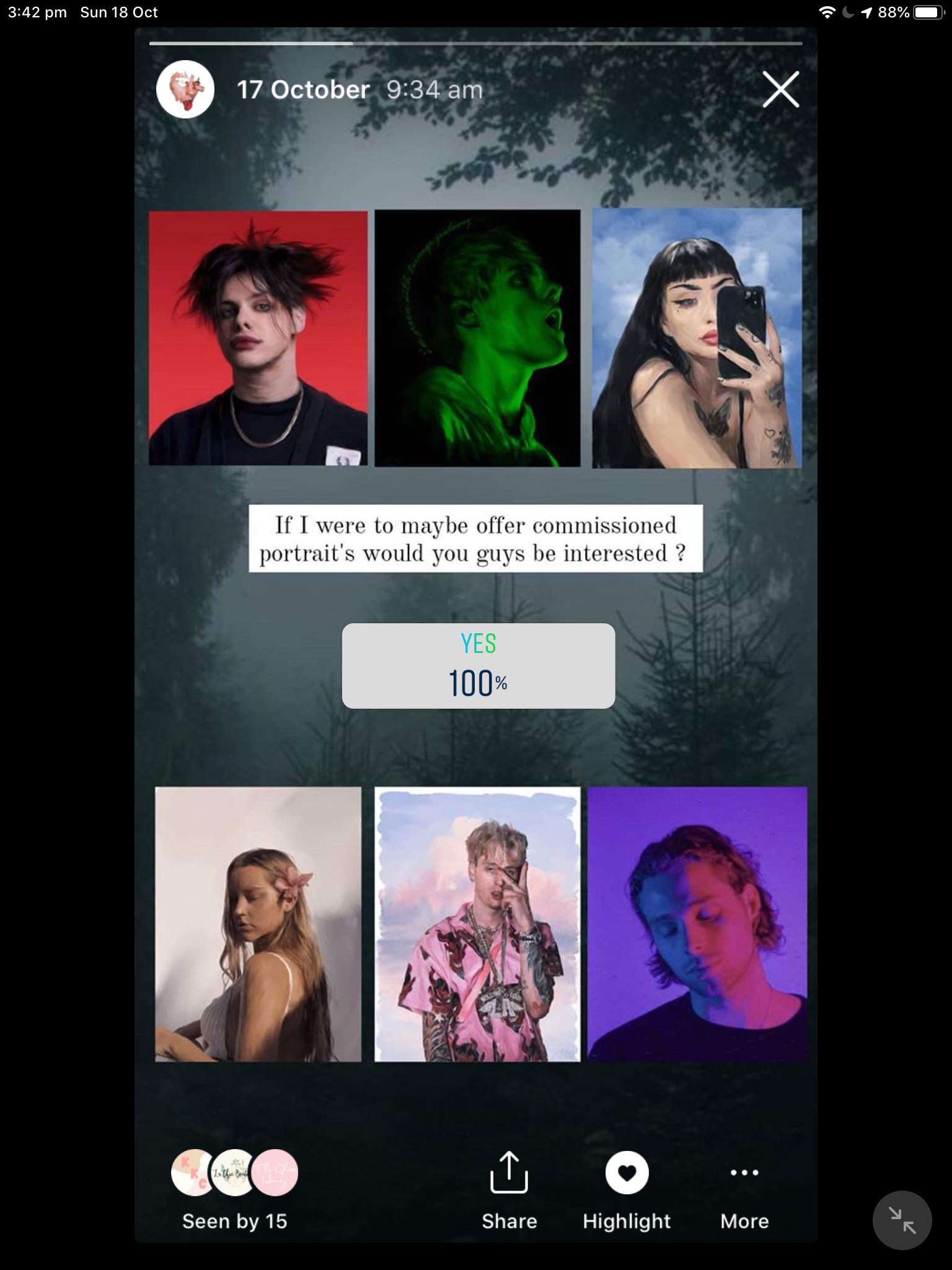
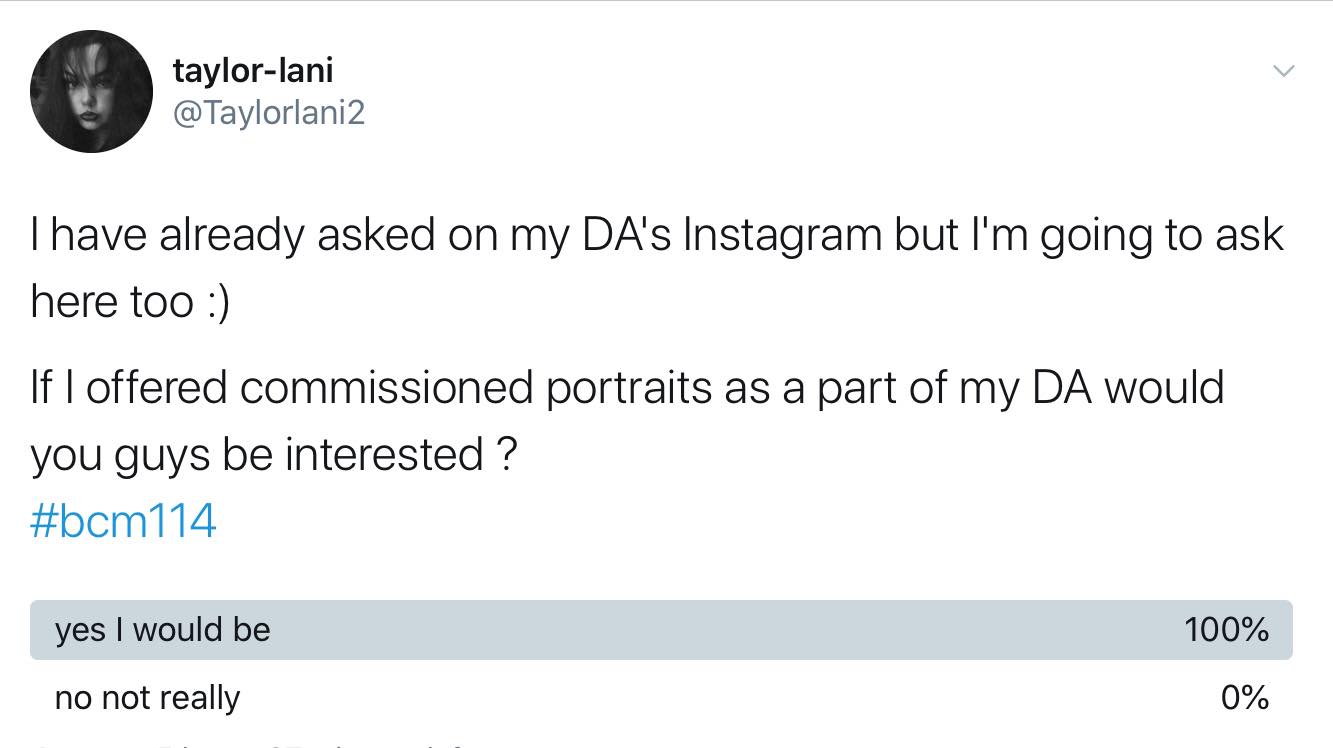
While my DA has had a pretty decently sized shift, that hasn’t stopped the process of my ideas and concepts changing and growing over time. I have just started to interact with my audience to gain feedback in the possiblity of opening up commisioned portraits and whether or not anyone would be interested in seeing such development with TaylorLani Artistry. As for further one however, all I can say it that my DA is always growing and evoloving into something bigger and better.
Taylor-Lani Artistry Updates

Bcm114 Making Media – Online Presence

If you’ve been following for a bit you would know that I started Taylor-Lani Artistry a month or so ago for University. Taylor-Lani Artistry is where I post on Instagram and sell on Redbubble my artworks that I make in my free time. 

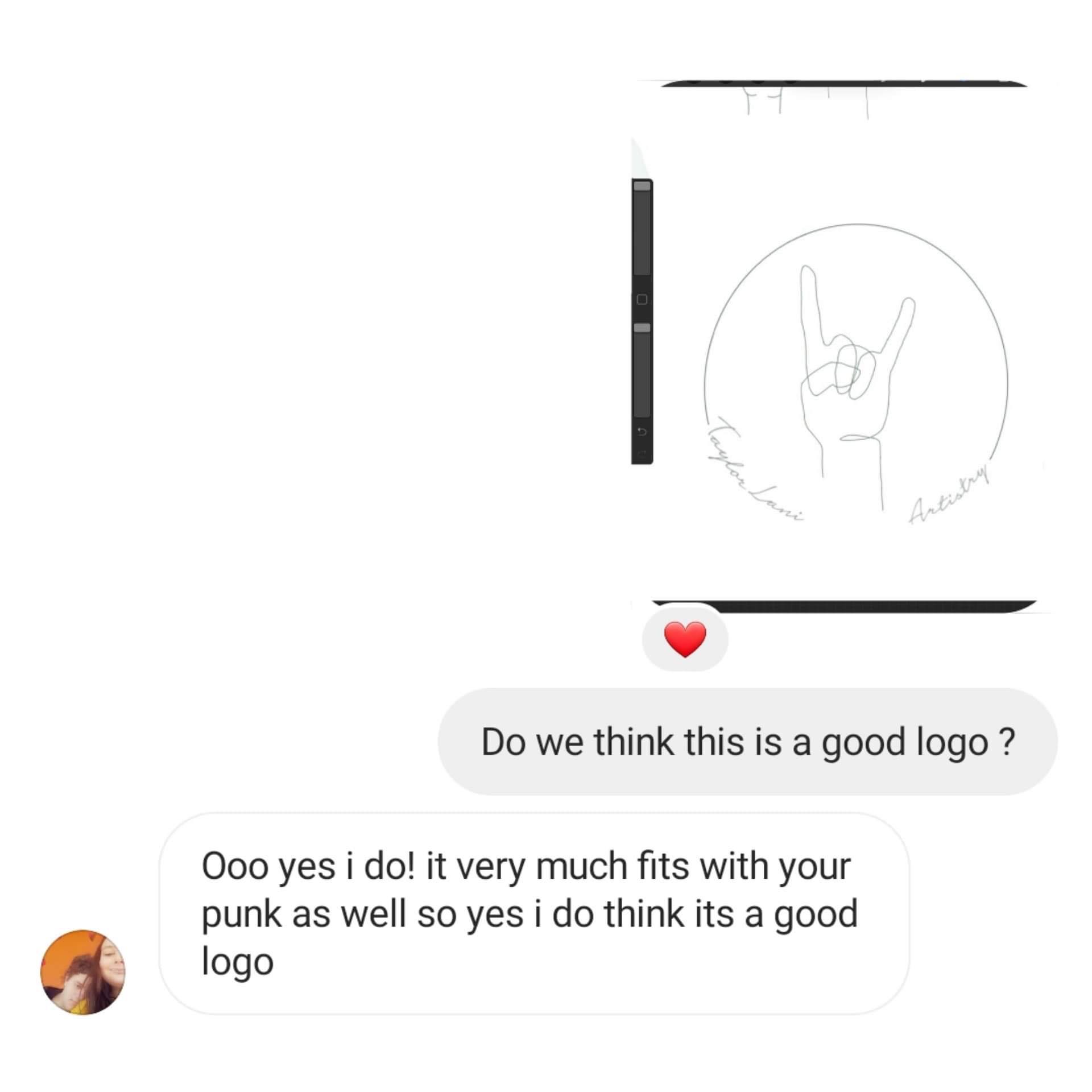
I have a pitch for this project here, where I showcase feedback on the idea I had for my DA and different aspects such as my logo changes. 

I love art and creating in many different forms, however, this project hasn’t been running perfectly or been without setbacks. I want to preface this with that while these things have been occurring, it doesn’t mean I love my process or the project any less. 

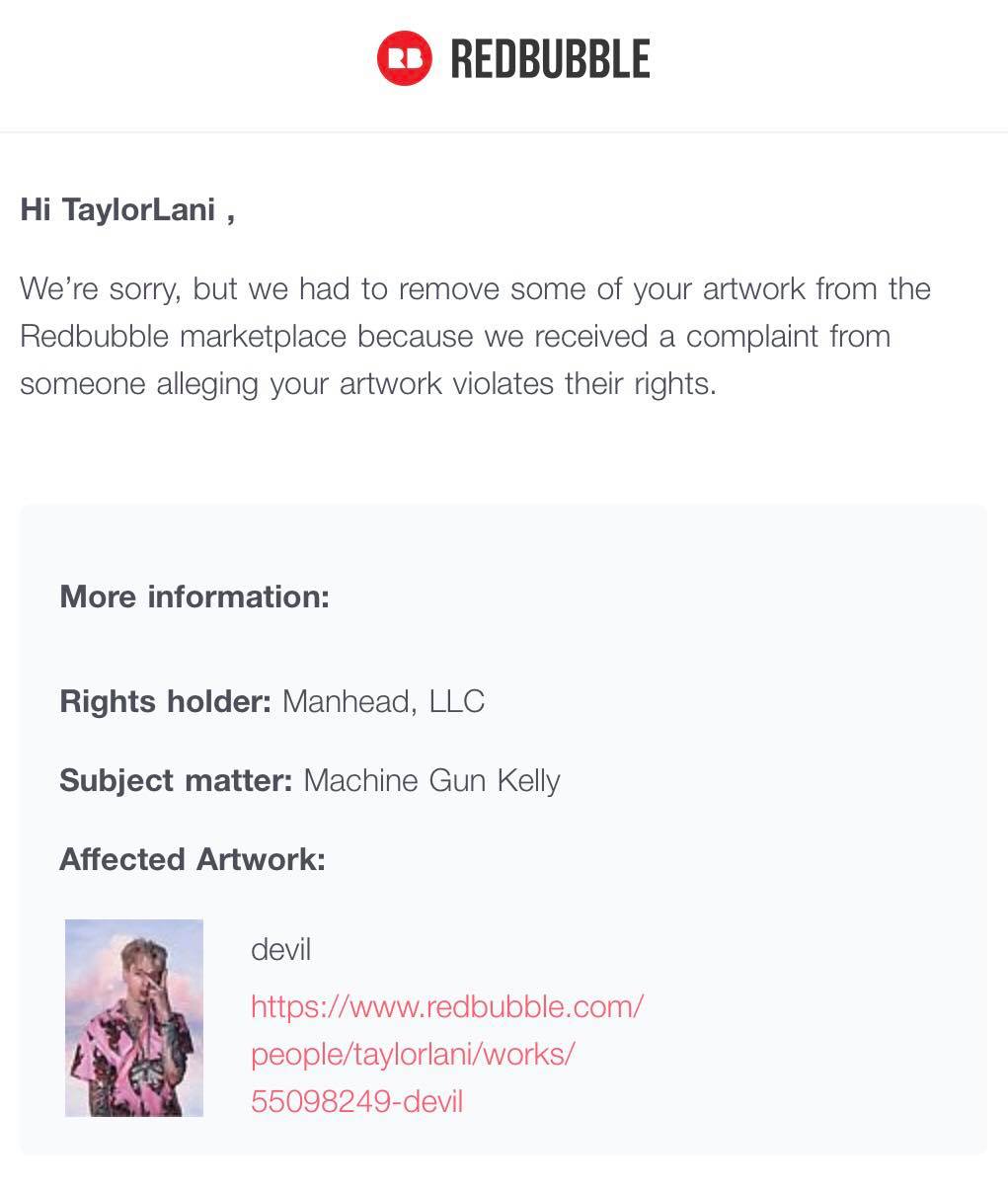
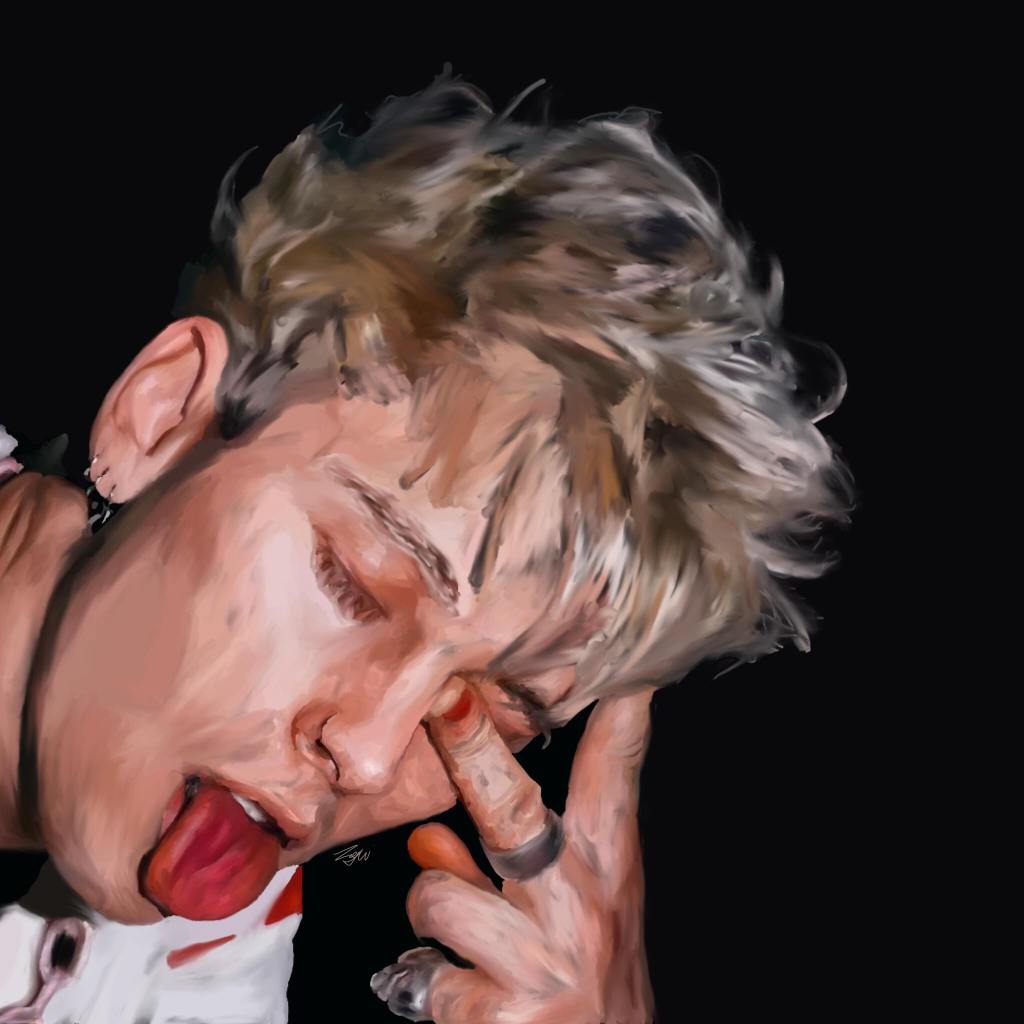
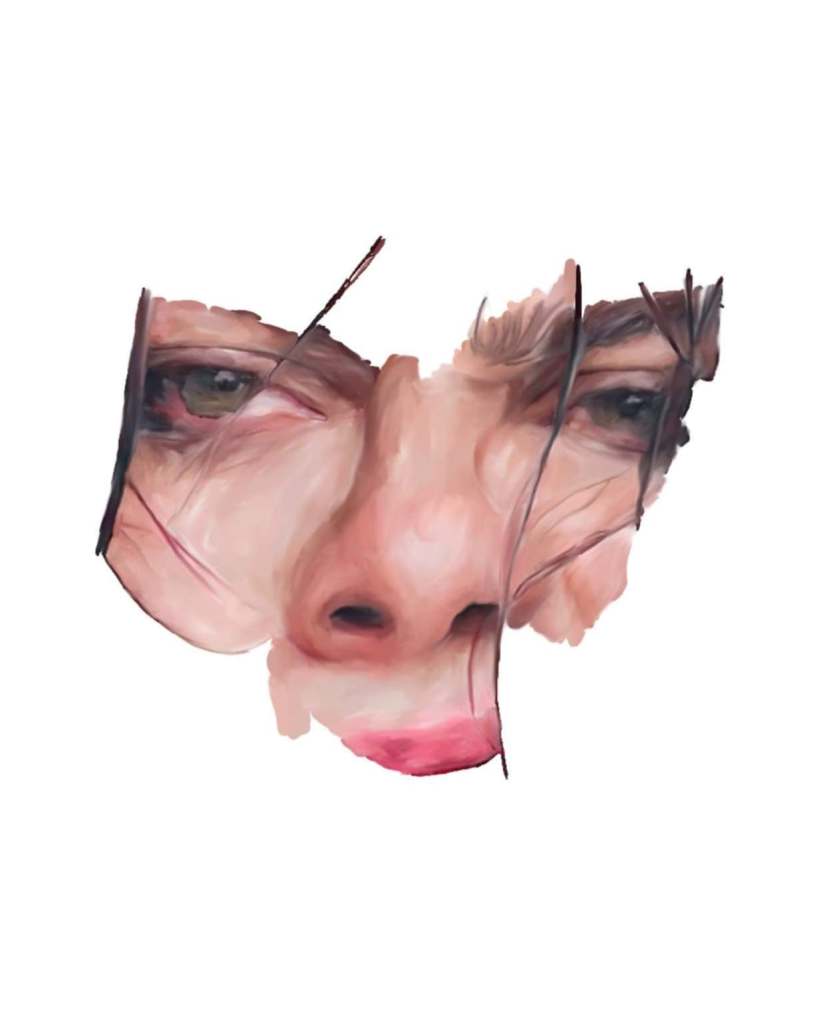
I digitally paint a lot of portraits of people who inspire me or I am just inspired to paint based on their style, and so with this I make portraits of ‘artists’ I like such as Awsten Knight and Colson Baker (MGK). This produced a setback with my store with ‘copyright’ and ‘mature content’ issues, resulting in one of my favorite pieces being taken down. However, after observing this problem, it has taught me to be extra cautious and respectful of my own work without changing what I’m doing and have had no issues as such since. 

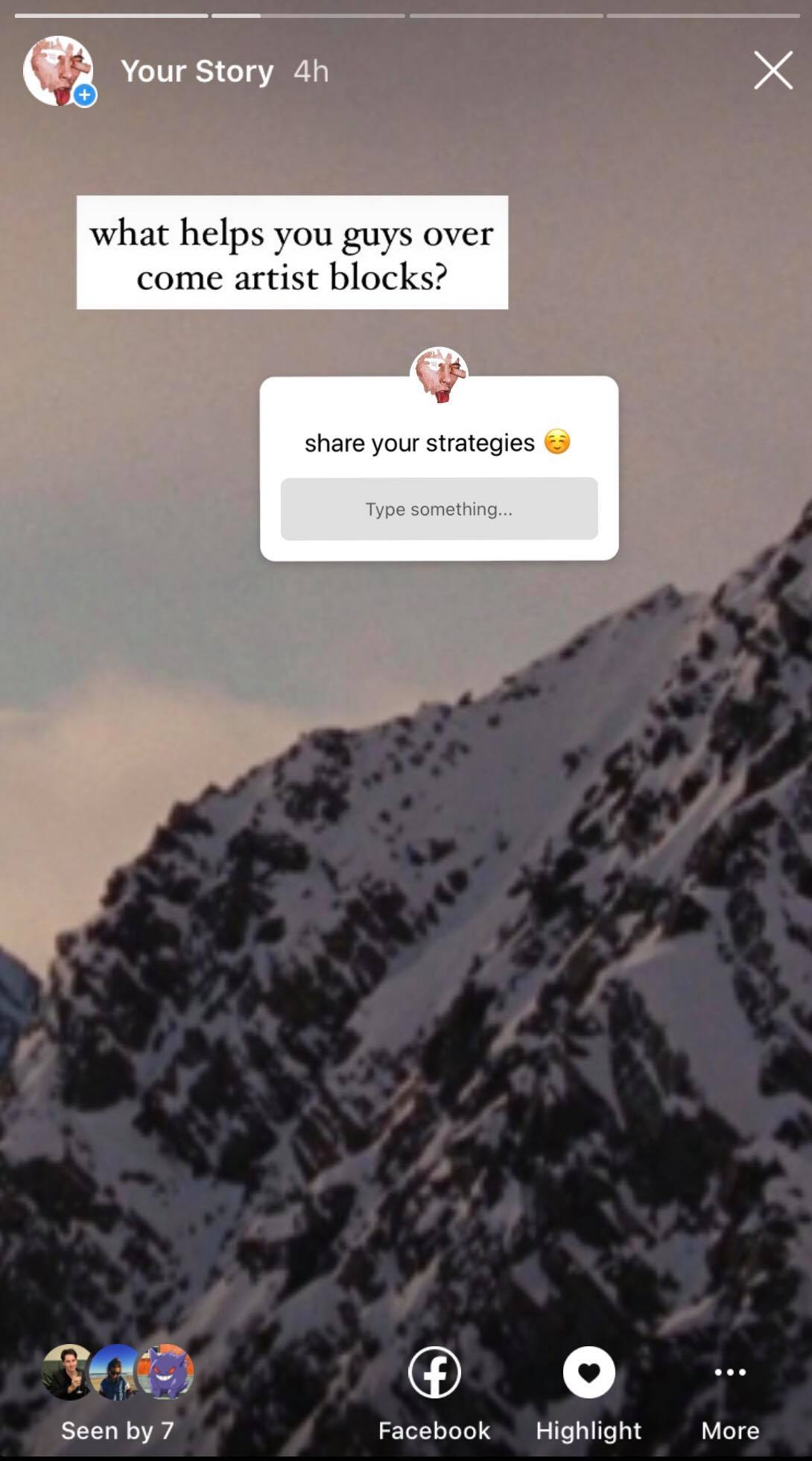
Another occurrence with Taylor-Lani Artistry is the fact that I am not inspired to create all the time, and as many others do, struggle with artist block. To me my project feels like it’s been pushed back and not where it should be, however to others they don’t even notice it. I wanted to use my struggles to my advantage though, and on my Instagram stories engaged and consulted with my audience how they overcome art block and to share their strategies if they wanted. This has made me feel more connected to my audience even if I haven’t been continuously creating. 

I feel as if my short break has also made me more interested in my project as of right now. The artworks I have been working on since have had so much heart and soul in them and I have come to be really proud of them. I think this comes from my works not being forced and fabricated for the sake of putting out content. 

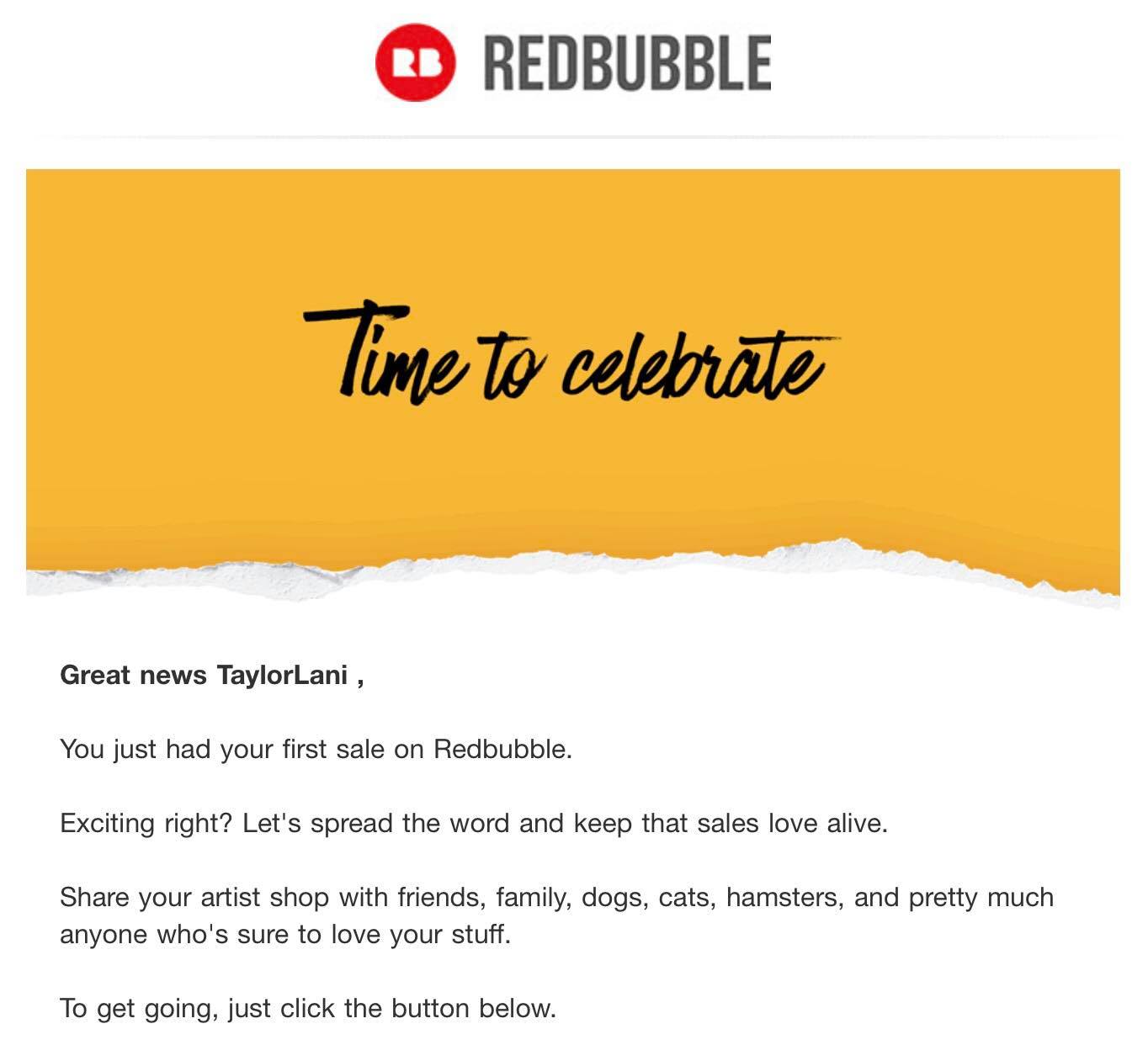
I feel as if I have only just stepped out of the defining stage, with supporters now receiving items of which they have brought off my store, which has me very excited to see where this continues to go in the future. 

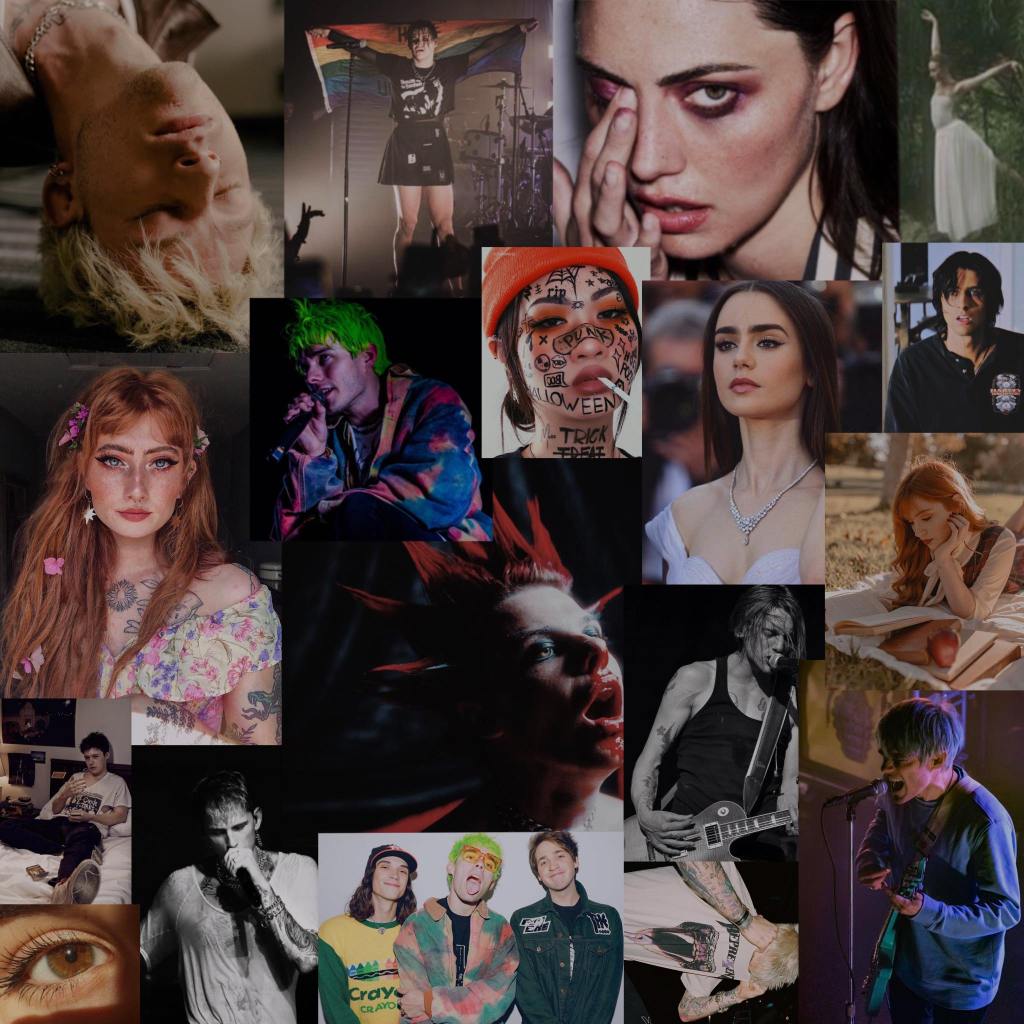
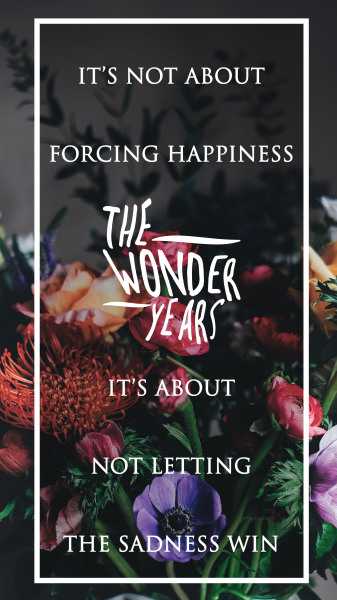
Moodboard
Moodboard
Starterpack

ONLINE PERSONA AND MY TUMBLR IDENTITY

Social media has become a part of our daily routines, a continuous part and factor of our lives since the height of platforms such as Facebook and Instagram. Nearly every individual has a use for some type of social media, and because of this, near every individual has their own way of usage for it as well. The use of social platforms is such a broad spectrum, pages can be used to sell products, profiles to display your own life and interests. 

What do you use social media for?

I grew up in that wonderful age of social media discovery, where sites and platforms were just coming of age and popularity. Because of this, I have been online and engaged since I was young, probably when I was too young. Over time my use for socials has definitely changed, especially with the “death” of places like Tumblr and the rise of Tik Tok. However, places like Tumblr are where I got my start in media. 

Tumblr, in its 2010’s prime, was either a loved or hated platform, and no matter what your feelings were on it, Tumblr offered something that other places did not. “While it has the social appeal of Facebook, the aesthetics of Instagram….the site has the one thing that the others don’t — anonymity.” But not only that, the platform also “provides no contest for the most thumbs up or double taps.” 

In many ways, social media is viewed to be a ‘third space’ next to a private home environment and publics. “third spaces are sites of practice and negotiation, where connections and identities emerge through interaction…”

With just how much social media has taken part of our lives, it has enabled us to formulate our own personal identities online. To put it simply, your online persona is the you of which exists online out in the open. “the public self is the ‘official’ version…a highly polished, scheduled and controlled version that is produced and performed.” It is the identity of which we built and centred around ourselves. 

What is your online persona?

As I said before, I grew up in the age of the internet, and that has had an impact on my identity as a whole, not just the persona I show online. Part of the appeal for Tumblr was the ability to connect with others about niche cultures. “Tumblr fandom users present a unique culture.” For me, I built an identity around the subculture of ‘emo’ and ‘pop-punk’. “Blogs consisting of Tigers Jaw lyric edits on a washed out forest image, and bedrooms shining with fairy lights over a Citizen Youth banner, were widely popular.” I used the platform to create a sense of self that was, at first, separate to my ‘real life’ identity. Over time, my ‘real life’ identity and the one I offer up the world online has become more or less the same, and really I have social media like Tumblr to thank for my early self discovery. 

REFERENCES:

Hillman, S., Procyk, J. and Neustaedter, C. (n.d.). Tumblr fandoms, community & culture. Proceedings of the companion publication of the 17th ACM conference on Computer supported cooperative work & social computing – CSCW Companion ’14. [online] Available at: https://www.academia.edu/5174465/Tumblr_Fandoms_Community_and_Culture 

Junkee. (2020). How Emo Went From A Punchline to Critical Acclaim. [online] Available at: https://junkee.com/emo-underrated-acclaimed/242169  

BCM111, UOW, Lecture slides, week four, Dr Renee Middlemost, https://moodle.uowplatform.edu.au/pluginfile.php/2479560/mod_resource/content/1/BCM111%20Week%204%20Lecture.pdf 

Lee, E. (2016). Tumblr users seek to create identity over image. [online] Daily Trojan. Available at: https://dailytrojan.com/2016/03/31/tumblr-users-seek-create-identity-image/ 

Moore, C., Barbour, K. and Lee, K. (2017). Five Dimensions of Online Persona. Persona Studies, [online] 3(1), pp.1–12. Available at: https://ojs.deakin.edu.au/index.php/ps/article/view/658  ‌

‌Pennington, R. (2018). Social media as third spaces? Exploring Muslim identity and connection in Tumblr. International Communication Gazette, 80(7), pp.620–636 .https://journals.sagepub.com/doi/10.1177/1748048518802208

FALSEHOODS AND CITIZEN JOURNALISM

I’m sure that within recent years, you would have heard of the term ‘fake news’ probably more than once. 

Fake News or, rather, Falsehoods are simply lies and deception within the media and more importantly our news. According to this article on ‘Public Beliefs and Falsehoods in News’, “The circulation of misinformation, lies, propaganda, and other kinds of falsehood has, to varying degrees, become a challenge to democratic publics.” 

This then brings us to the question:  Do you personally trust the news?

Journalism is something of which we, the public, rely on in terms of our news and the spread of information that we trust. Journalists are “the professional discipline of assembling and verifying facts,” as “accuracy is the foundation upon which everything else is built”, however, with the constant upkeep on social media platforms such as Facebook, do we still trust it as we once did? Or do we question it more, now that we ourselves have the ability to work a similar angel? 

Citizen Journalists are what we call those of the public who share on the socials every bit of information they come across, I’m sure we all know one or two. Citizen Journalism is “the collecting and reporting of information via social media, public platforms, and traditional news outlets, either by non-traditional sources or the public.” The idea is that “Citizen Journalism can be considered as the offspring” of traditional in takes of news such as Radio. 

The next question to be asked is whether or not we think of this type of journalism to be quality or harmful? If falsehoods can be easily filtered through those in careers of “verifying facts”, what is to say that it isn’t also from your next door neighbors Facebook page? 

Really, is it doing more harm than good?

Personally, I believe it intends to be more beneficial more so than not.

 An example of this, the way that in India Citizen Journalism has been providing and assisting forgotten villagers. The original landowners are being segregated by the ancient systems that India runs on. “The current model of communication and journalism is a cold model of aristocracy.” Yet with the help of Citizen Journalism, villages such as ‘Dalits’ have received aid as well as the allowance of their own voice, “for people living in remote, inaccessible areas. For the first time, these ‘last mile’ people can speak their minds.” Not only that, but the access to Citizen Journalism has also aided in the awareness of dreadful issues often overlooked, “community activities that alert mainstream media and governments to long-neglected issues such as farmer suicide, migration and displacement and lack of school facilities.” 

Truely, I think that Citizen Journalism has a high intent of wanting to help and inform, more so than traditional news programs which have far richer guidelines to follow than someone sharing a post or uploading a photo. Yet, it goes without saying that of course it isn’t always the most truthful or helpful, but rarely anything is. 

REFERENCES:

BCM111, UOW, Lecture slides, week three, Dr Renee Middlemost, https://moodle.uowplatform.edu.au/pluginfile.php/2462176/mod_resource/content/1/BCM111%20Week%203%20Lecture.pdf 

Koc-Michalska, K., Bimber, B., Gomez, D., Jenkins, M. and Boulianne, S. (2020). Public Beliefs about Falsehoods in News. The International Journal of Press/Politics, 25(3), pp.447–468. https://moodle.uowplatform.edu.au/pluginfile.php/2405185/mod_resource/content/1/Week%203%20BCM111%201940161220912693.pdf

Tate (n.d.). Power to the People: The rise and rise of Citizen Journalism – Essay. [online] Tate. Available at: https://www.tate.org.uk/art/art-terms/p/photojournalism/power-people

The Citizen. (n.d.). How citizen journalism is giving voice to India’s forgotten villagers. [online] Available at: https://www.thecitizen.org.au/articles/how-citizen-journalism-giving-voice-indias-forgotten-villagers 

“What is Citizen Journalism? – Definition & Examples.” Study.com, 18 October 2018, https://study.com/academy/lesson/what-is-citizen-journalism-definition-examples.html

POPULAR CULTURE AND CONTEMPORY PUNK

What do you think popular culture is?

According to John Storey’s book “Cultural Theory and Popular Culture: An Introduction” (2015), he defines it to be “simply culture that is widely favoured or well liked by many people.” The new age era of technology and media allows everyone to be a constant consumer of popular culture, creating large amounts of engagement. 

What popular culture do you consume?

Personally for me, I find myself exposed to a large part of media intake and identity which is filtered through the culture, ‘a general process of intellectual, spiritual, and aesthetic development’, of both punk and contemporary punk scenes. These scenes are largely affiliated with ideologies, ‘a systematic body of ideas articulated by a particular group of people’, such as the challenging of societal norms and issues through the exploration of music. “A vital role in the punk rock movement and gained legitimacy through its use of coactive and extremely confrontational tactics. These extreme tactics ultimately gained attention to bring about social change and to resist the status quo.” 

However, this hasn’t stopped the emergence of punk and contemporary punk rock subcultures to find their way into popular culture. For example the amount of mass production of t-shirts of bands like Nirvana and Bad Religion you can find in many fast fashion stores such as Kmart. “Transition to popular culture and can be observed on fashion runways and in shopping malls across the country, there will always be examples of products and ways of knowing that continue to persist.” 

Cultural Proximity, which is described as ‘the intuitively appealing notion that people will gravitate toward media from their own culture’, and can be seen through the differing examples of importance of time and geography in the punk scenes. An example of this is the difference between British and American punk movements. 

Britain, during the height of economic despair after World War II, led the way for “contribution to the punk rock movement was their condemnation of society and their anti-establishment views such as their anthem “Anarchy in the U.K.”

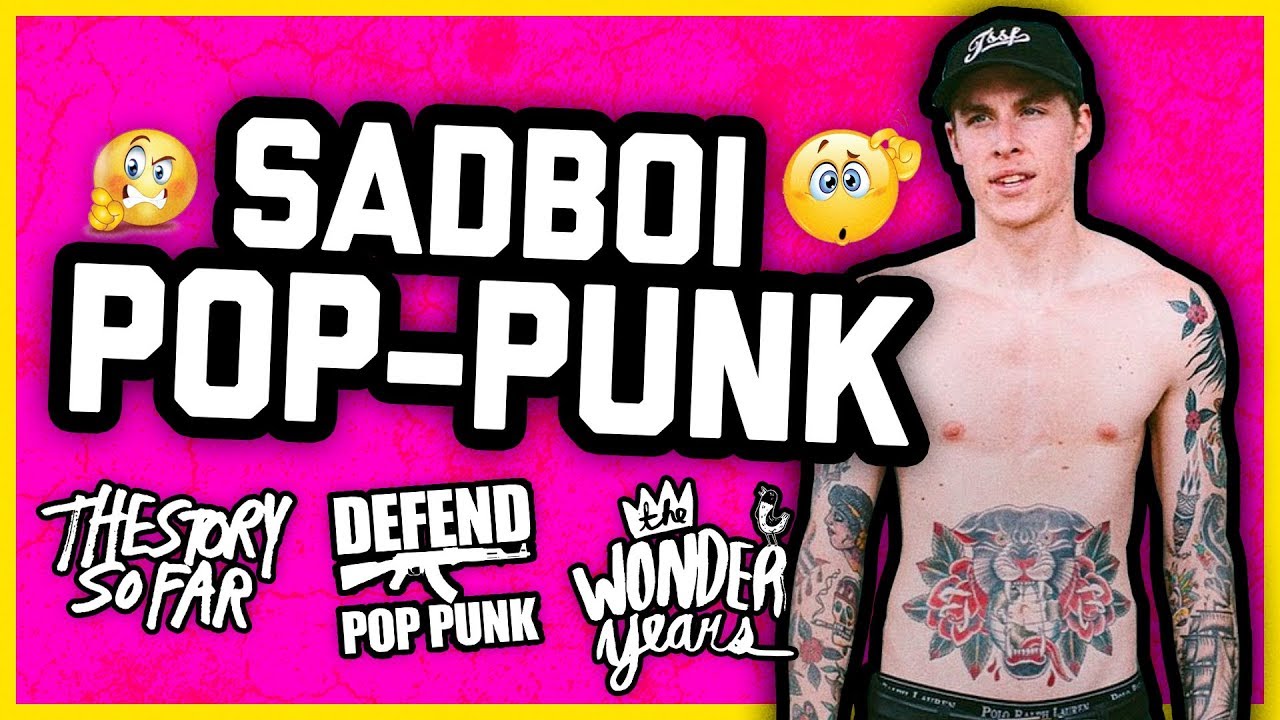
American punk scenes however were exploring the “issues of youth.. there were many demonstrations, one of the worst which was when race riots erupted on a college campus.” Contemporary punk scenes, such as the subculture of pop-punk, tended to gravitate more towards these areas of youth. This then created the era often referred to as ‘2010’s Sad Boi pop-punk’, existing largely on platforms like Tumblr, which I myself took part in during my non-coincidental “youth”. 

The idea of Cultural Proximity and Ideology can be seen through my personal example of my own gravitation towards media that reflects and shares the same values and culture as myself. It is the reason as to why I consume as much punk popular culture as I tend to. Punk and it’s now existing culture, scenes and all it’s subcultures, is universal and has evolved drastically through the years as the social climate of the world itself has changed. 

REFERENCES:

Storey, J. (2015). Cultural Theory and Popular Culture: An Introduction. [online] Google Books. Routledge. Available at: https://books.google.com.au/books?id=4-sjCQAAQBAJ&printsec=frontcover&source=gbs_ge_summary_r&cad=0#v=onepage&q&f=false

Ksiazek, T.B. and Webster, J.G. (2008). Cultural Proximity and Audience Behavior: The Role of Language in Patterns of Polarization and Multicultural Fluency. Journal of Broadcasting & Electronic Media, [online] 52(3), pp.485–503. Available at: https://webster.soc.northwestern.edu/pubs/Ksiazek&Webster%20(2008)%20Cultural%20Proximity.pdf.

‌UKEssays.com. (2010). The Punk Rock Movement | Essay. [online] Available at: https://www.ukessays.com/essays/cultural-studies/the-punk-rock-movement-cultural-studies-essay.php.

Bernhard, E.M. (2019). Contemporary Punk Rock Communities: Scenes of Inclusion and Dedication. [online] Google Books. Rowman & Littlefield. Available at: https://books.google.com.au/books?id=4NCwDwAAQBAJ&printsec=frontcover&source=gbs_ge_summary_r&cad=0#v=onepage&q&f=false ‌

BCM114 DA PITCH

Hey, there!

I am pitching a project for my BCM114 DA titled TaylorLani Artistry. You can find me and this project at @taylorlani_artistry on Instagram and TaylorLani on Redbubble.

TaylorLani Artistry is a small art business, where I will be producing my own artistic content, sharing it on Instagram and selling on Redbubble in a bunch of different products such as phone cases, posters stickers and more!

I am aiming this project at an Alternative audience, as my artworks range from portraits of artists within the Scene who inspire me as well as works featuring more Punk esc themes.

This has been something I have wanted to do for a while, thus I am incredibly excited to move through this journey and share my work with the world. I hope through this project I further develop more artistic and business skills which I can take with me into my future career.

ESCAPE NUMBER FIVE FAN STUDIES

As a grown up scene kid I think being a music fan is partly in my DNA. 

This week in BCM110 we worked through Fan Studies. Fan Studies, what is it? It is the scholarly study of fans and the surrounding culture. Fans are created from pretty much everything, from books, movies, shows etc. Do you know anyone who is really, really into sports? Yeah, well, that’s a fan. These groups of fans are then referred to as ‘Fandoms’, a lot of which give themselves or are given to them a name. Fandoms require a special knowledge of texts and inner references and they’re a place where we find identity, belonging and personal connections we seek out in life, especially as teens. 

Henry Jenkins wrote a study of fans in his ‘Textual Poachers, television fans & participatory culture” which brought up the ideology of Participatory and Consumer culture. He goes on to suggest the idea that we are ‘Poaching’ the forms of media that fans are consumers of. This kind of thing is often linked to negative feelings and thoughts, the concept that fans aren’t only consumers but producers. Fanfiction for example has a large negative stigma and usually these kinds of creators will hide the fact they embark within it. I think it’s sad, that generations of creativity have been hidden and buried because of the fear from society.      

Early models of fandoms rely on these stigmas around them, an example that the fans of Soap Operas are lonely housewives. Fans were perceived as gullible and easily influenced. Within the last decade I have seen the stigma slowly release itself, society is progressive. Many fans have let go, changed, and grown from them. With the aid of social media we can be exposed to all kinds of ‘Poaching’, for example fanart.

My ‘fan’ artwork of Machine Gun Kelly
My ‘fan’ artwork of Awsten Knight, from Waterparks
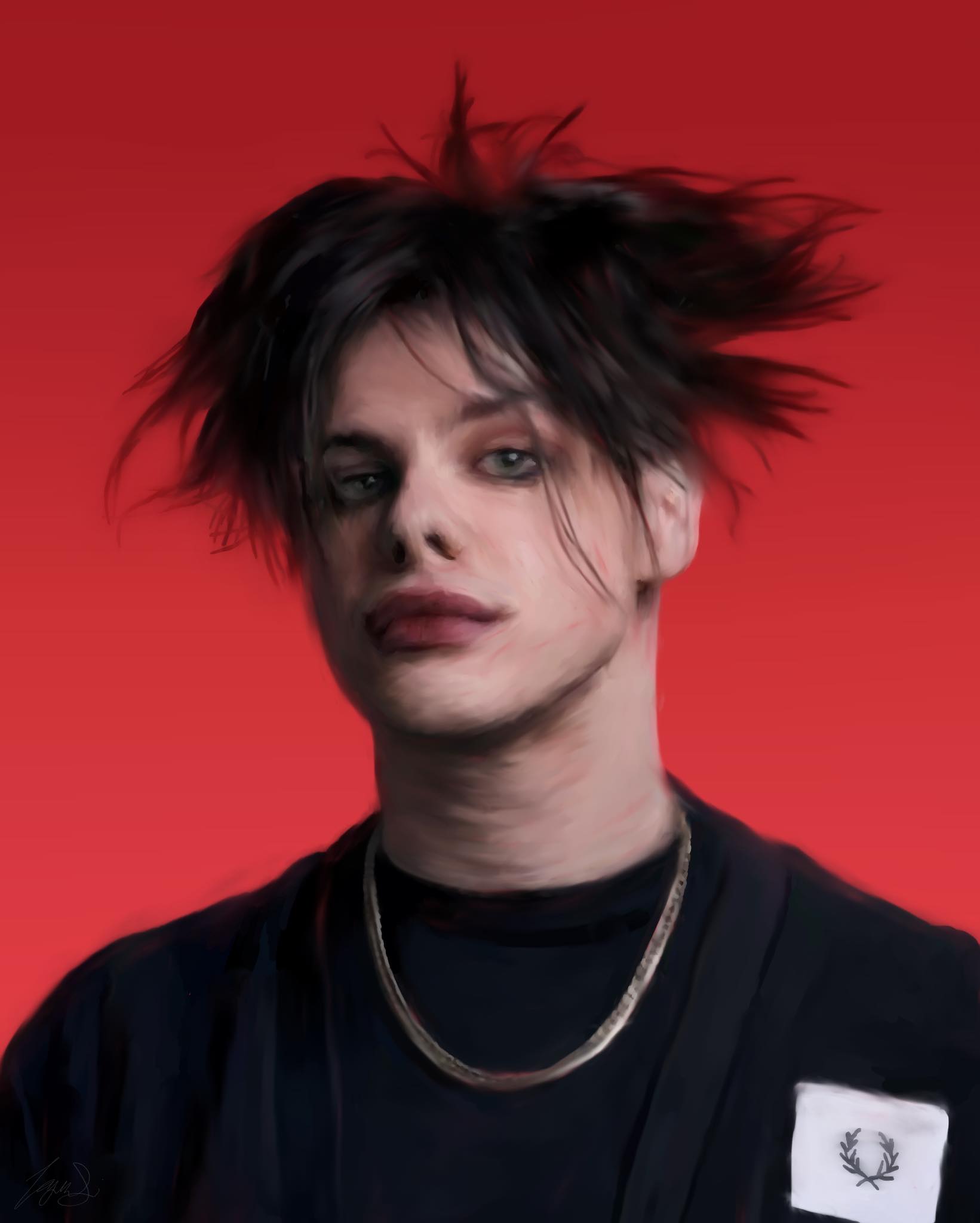
My ‘fan’ work in progress of Yungblud

Fandoms hold emotional importance to many, including myself, which is why the study of them and the connotations to them is extremely useful. The desire to belong is human nature. I have been a part of the Waterparks fan base since before their first album release in 2016. That year was hard, for many reasons, but stepping into this fandom was like a break free from some personal struggles, their music came to me at the point of my life that I needed it. This is why fandoms are important, it is so much more than just being ‘a fan’. They’re positive escapes, where you can connect. 

Chris from Motionless In White said it nicely, after the passing of Chester Bennington. “Please do not make the same decision….go to your favourite bands social pages and reach out to some of the fans of the same bands you love…there are a lot of people just as much as a fan of another band as you are that are willing to reach out and help you… And I need every one of you to be there for each one, each other, every single time that hand extends.”     

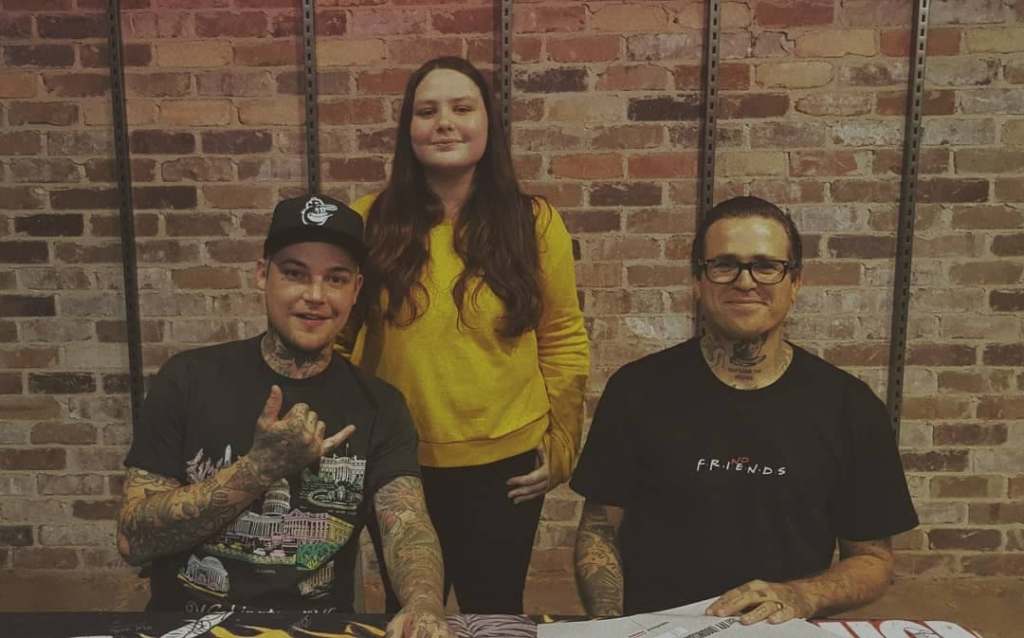
Me being a ‘fan’, meeting Amity Affliction
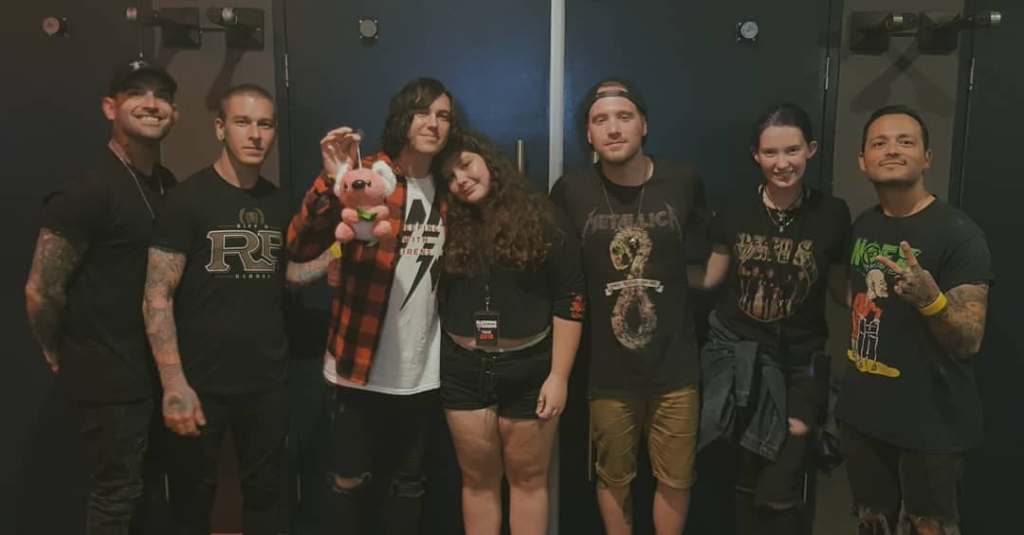
Me being a ‘fan’, meeting Sleeping With Sirens
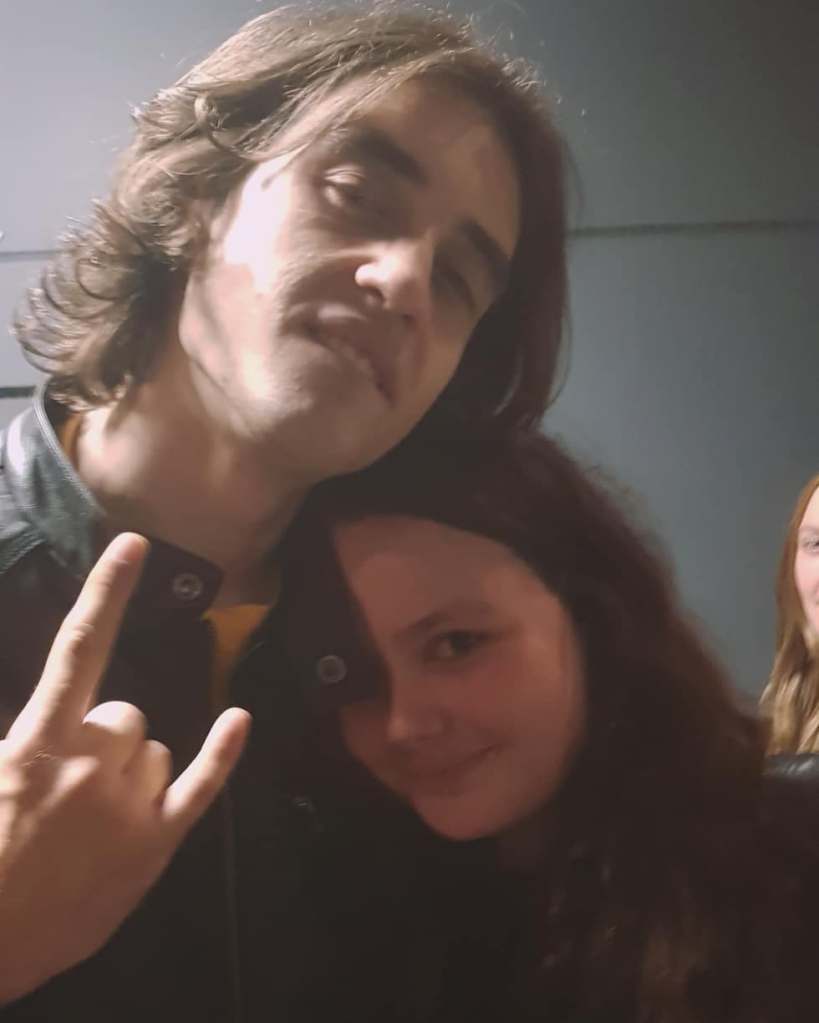
Me being a ‘fan’, meeting Josh, from The Faim
Me being a ‘fan’ at a Motionless In White concert

REFERENCES 

Jenkins, H. (2012). Textual Poachers : Television Fans and Participatory Culture. [online] http://www.taylorfrancis.com. Routledge. Available at: https://www.taylorfrancis.com/books/9780203114339 [Accessed 23 Apr. 2020]

obo. (n.d.). Fan Studies. [online] Available at: https://www.oxfordbibliographies.com/view/document/obo-9780199791286/obo-9780199791286-0027.xml [Accessed 23 Apr. 2020]

Grinnell.edu. (2009). Fandom and Participatory Culture – Subcultures and Sociology. [online] Available at: https://haenfler.sites.grinnell.edu/subcultural-theory-and-theorists/fandom-and-participatory-culture/. [Accessed 23 Apr. 2020]

Motionless In White – One Step Closer (Linkin Park Cover Chester Bennington Tribute) LIVE 7/21/17. (2017). YouTube. Available at: https://www.youtube.com/watch?v=Vp0USXUDa3k&feature=youtu.be [Accessed 23 Apr. 2020]

Lecture slides – week 6 

ESCAPE NUMBER TWO REPRESENTATION AND INTERPRETATION

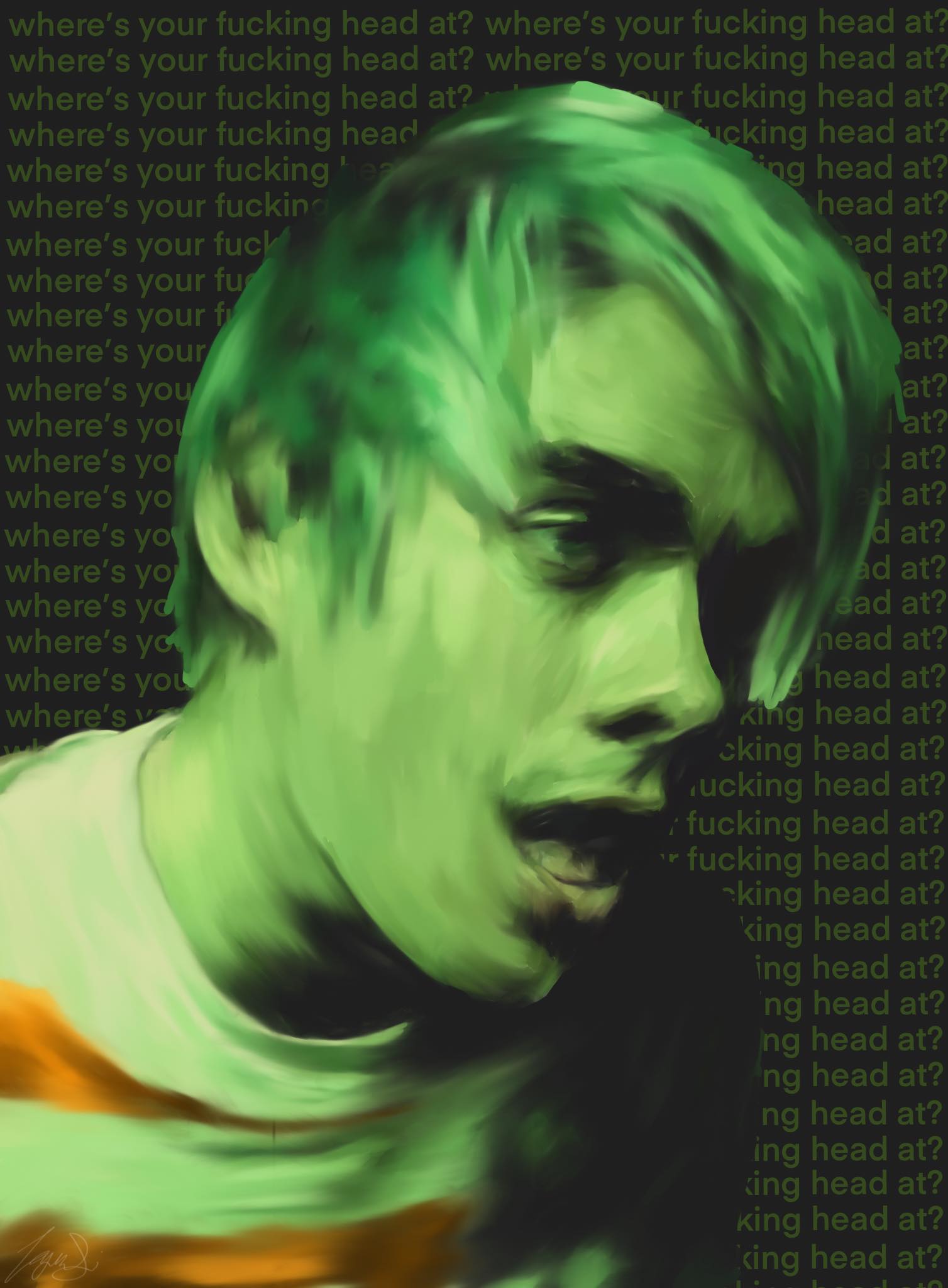
What do you see in these images? Do you understand them, what they’re trying to convey? How do these images make you feel? Do they offend or do they inspire you, and do you see them the way I do?

This week, the discussion within BCM110, was the concept of representation and interpretation, and Semiotics.

Semiotics, is a system of codes which are set for connecting a sign and it’s meaning or, alternatively, meanings. It’s the idea that more than one individual can decode symbols the same way and thus perceive and connect the meaning to the same sign. Think of traffic lights and the connotation of the colours: red equals stop. Think of how this overlaps with other social signs. For example, a Stop sign.

Semiotics is what the media relies on for the majority of its content. However, with this comes the issue of misinterpretation. How can you assume or know that everyone exposed to your media message will understand? The thing is really you can’t. 

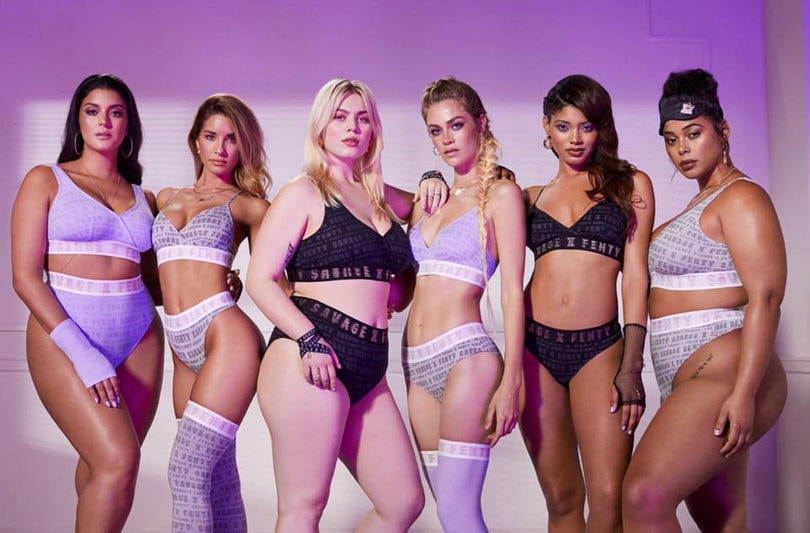
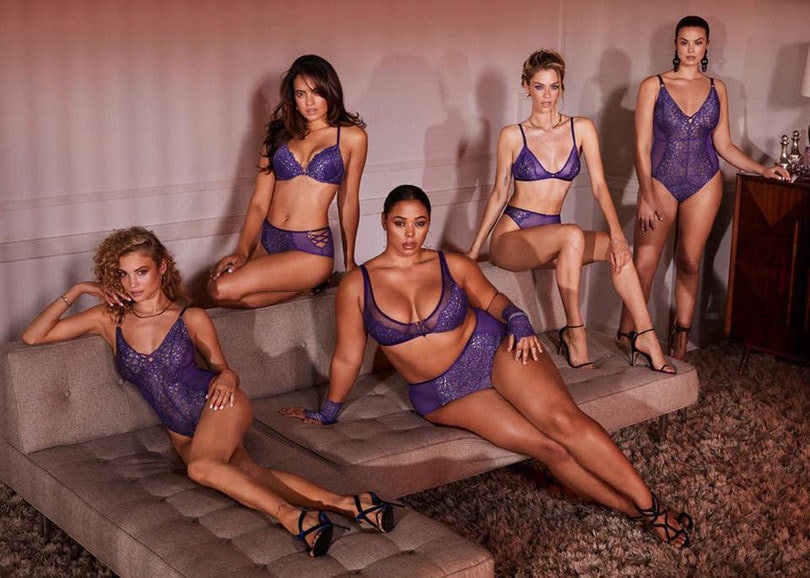
The two images above are promo advertisements for SAVAGE X FENTY 2019 Spring Collection. The denotation that can be drawn from these ads are simple, body expressive, body positivity and self love. What does this mean to you? To me these images drip with confidence and expression, the color range not only from skin but to the clothing suggests the inclusivity of the collection, that IT IS made for everyone. It’s empowering.

Yet, personally I’m having a love/hate relationship. Now, don’t get me wrong, we need inclusivity in the world and the ever growing presence of that in the media is great. However, have you ever sat back back and felt bad? My body type is represented, and as a currently overweight girl I love to see it. Yet, here I am wondering why I can’t feel good about myself no matter what I do when it is clearly shown to me that I can be. She feels good wearing it then why don’t I? Sometimes these largely set me back negatively mentally. An article about The Negative Business of Body Positive Advertising, explores these thoughts. “All I see…another corporation profiting off of the body positive movement while still aiming to convince women that they need to buy a product in order to love themselves.”

Semiotics. That is the problem with it. You can never guarantee that the receiver will have the same connotation. In comparison, that is why the media will never be a place full of positivity, because your positivity might not be another’s. It’s an ongoing loop. 

Nevertheless, there is nothing wrong with body campaigns, in fact they are a small pocket of good in the media of recent years. It just goes to show how personal connections really are and how, really, you can never be sure that the decoding will be the same over the broad spectrum. Whether the media makes a difference of good or bad ultimately depends on us, the audience.

References 

Tremr. (2015). The Negative Business of Body Positive Advertising. [online] Available at: https://www.tremr.com/talia/the-negative-business-of-body-positive-advertising [Accessed 21 Apr. 2020].

Beasley, R. and Danesi, M. (2010). Persuasive Signs: The Semiotics of Advertising. [online] Google Books. Walter de Gruyter. Available at: https://books.google.com.au/books?hl=en&lr=&id=KsdJ4T_ltF4C&oi=fnd&pg=PR5&dq=semiotics+in+advertising&ots=ij6lq__Ept&sig=0mrQK-zZkPiIpWgLg5zWvp63YbI&redir_esc=y#v=onepage&q=semiotics&f=false [Accessed 21 Apr. 2020].
Leeuwen, T.V. and Jewitt, C. (2000). The Handbook of Visual Analysis. [online] Google Books. SAGE. Available at: https://books.google.com.au/books?hl=en&lr=&id=9ySh2-NtKXUC&oi=fnd&pg=PA134&dq=who+invented+semiotics&ots=JgvhpOWser&sig=ojbRNLw7PzfPSpIuU_gIobbGTGw&redir_esc=y#v=onepage&q=who%20invented%20semiotics&f=false  [Accessed 21 Apr. 2020].

Savagex.com. (2019). SAVAGE X FENTY |  Lingerie by Rihanna. [online] Available at: https://www.savagex.com/ 

ESCAPE NUMBER ONE MEDIA AUDIENCES

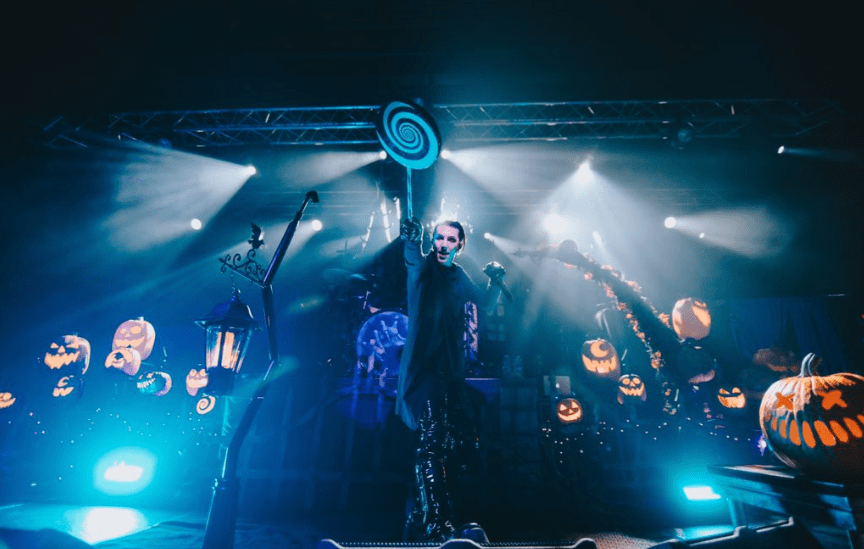
~ motionless in white ~

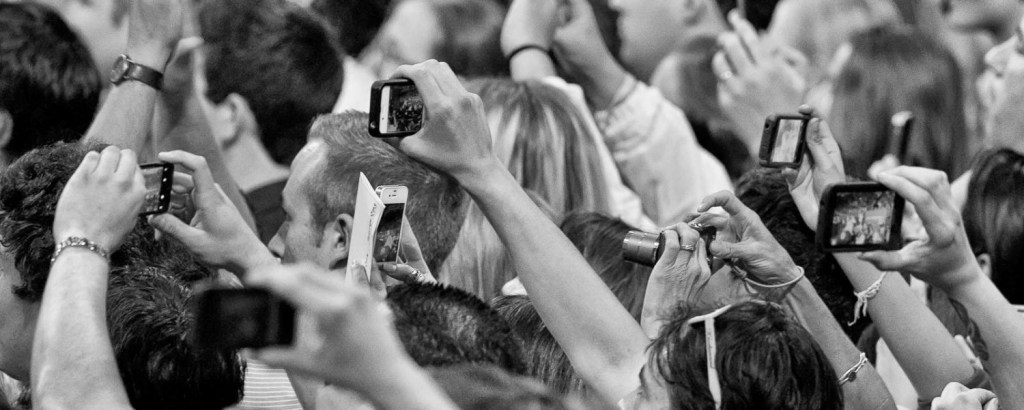
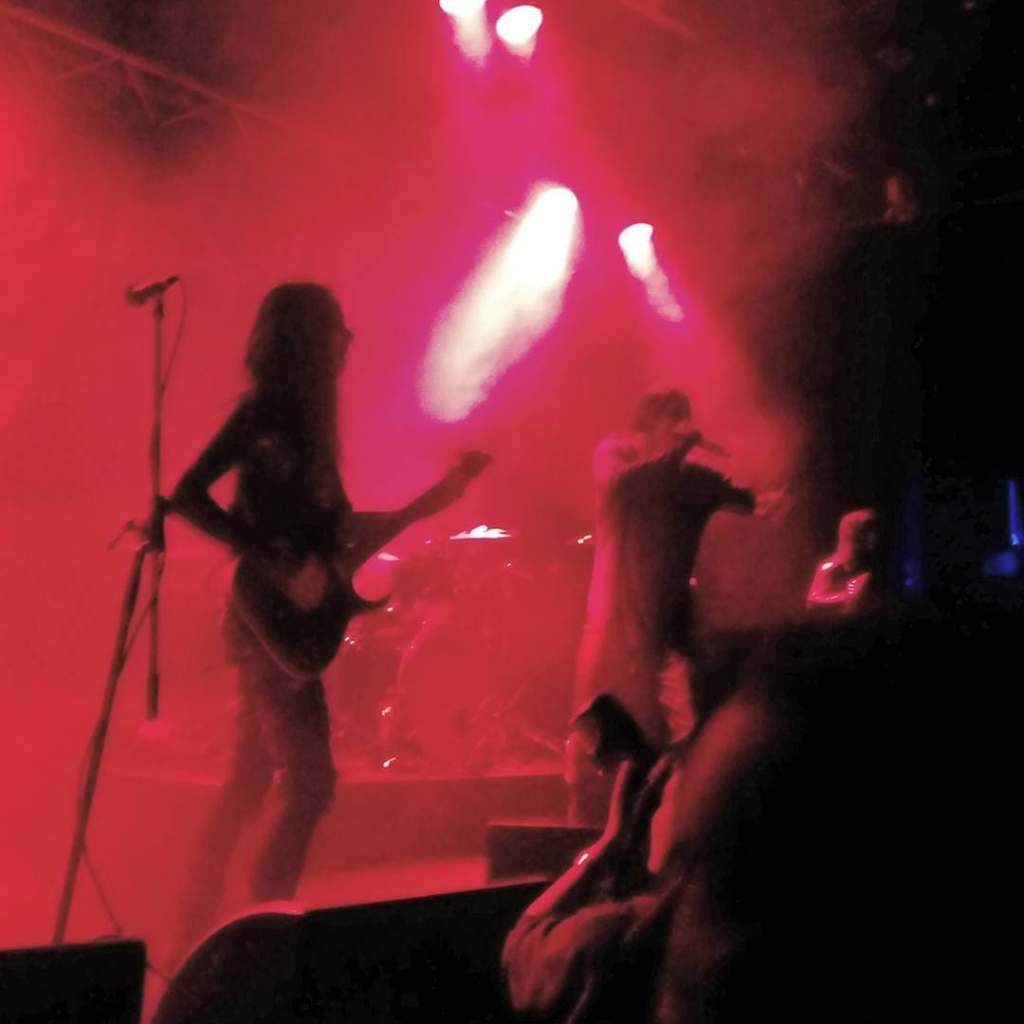
When attending a concert you tend to feel transported, the atmosphere fresh and bubbly. When you attend a concert it has usually been in preparation for months, a countdown to a few hours of ecstasy. Personally, I have attended many in my time, I find myself chasing the high, the rush that I did at the last. 

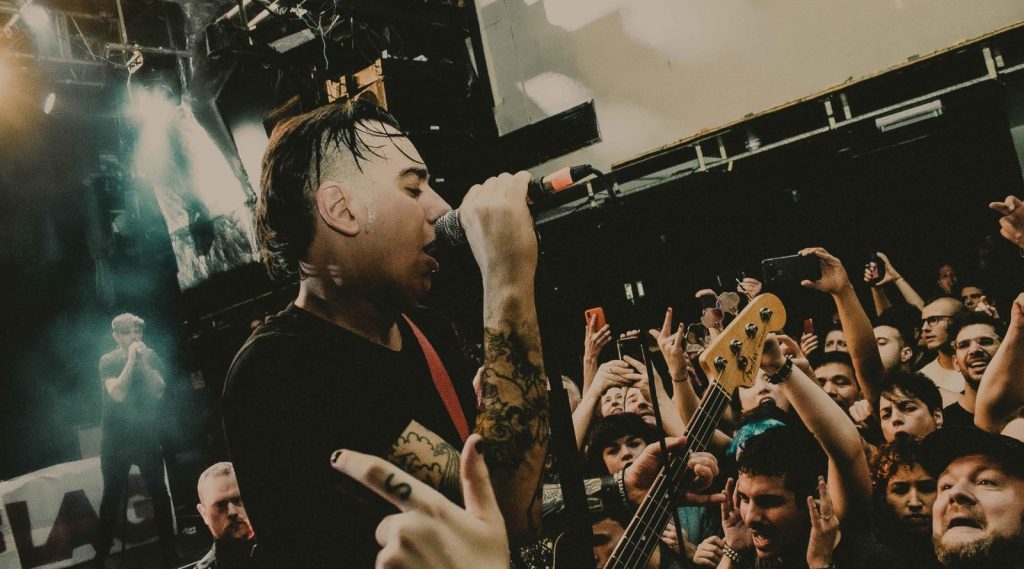
Specifically, a gig at the Metro Theatre to see Motionless in White. It was everything you want in a show; the crowd, the ambience, the banding together nature of it all in such a short time frame. The collective identity of the surrounding people, all different but vastly the same. I have never felt so connected to society and to others than I did at that concert. Though I have been to many gigs since it is embedded in my memory. 

Nonetheless, there have been a few occasions where this is not the case. My experience at certain gigs – Sleeping with Sirens and You & Me at Six as two examples, that explore the negatives. As a frequent attendee there are signs, aspects of a concert that and its contents that I find myself looking for. For one when the atmosphere feels off than it usually will be, the people surrounding you are important to your personal enjoyment as a concert is very much built on collective experiences not individually like you would be with your spotify.

My negative experience at these two gigs rely solely on others rather than myself. For instance pushy crowds, now I know what you’re thinking listening to the music I do and I find an issue with this? The truth is, in most cases I do not. However, hurting others because of your own fangirl attributes and physically fighting people around you for a spot at the barricade and shouting threats shouldn’t have to be on a ‘WHAT NOT TO DO’ article. “If a concert is general admission, the people in front earned their spots.” writes the rolling stone in their article on annoying concert behaviors. “The people all the way in front might have even spent all day camped out by the doors, so when the lights go off and you shove your way to the front, you’re being a huge asshole. Don’t do that. If you show up late and there’s only room in the back, you’ve just gotta deal with it.”

The rolling stone explores the concepts of ‘unspoken’ rules in a shared audience, a discussion relating to my BCM10 lecture, though in this case clearly need to be continuously brought up which really brings on the thought of why are they unspoken and are we really expected to already know them?

From my own experience at the two stated above gigs I would say that it should not have to be said that physically hurting others for your own gain shouldn’t have to be a spoken rule in any collective experience.

Andy Greene, The 10 Most Annoying Concert Behaviors, Jannuary 14th, 2013, 8.33PM ET, [online] The Rolling stone https://www.rollingstone.com/music/music-news/the-10-most-annoying-concert-behaviors-199696/